
Fishing report early Oct 2026 by Les Lockey
Fishing Report by Les Lockey.
27th Sept – 9th Oct. 2026.
This was my last two week trip of the year and as before, my old fishing pal Mike Warburton joined me for the first week and both of us were full of anticipation for the highlight of the year, namely the Lads and Dads Charity day. Unfortunately, the event was cut short after lunch due to impending bad weather, but not before a sizeable amount of money was raised for the lifeboat at St. Abbs and for the first time in several years, the Lads returned victorious. From a personal perspective, I managed to contribute 3 fish to the Lad’s total which included my best ever rainbow from the loch estimated at around 9lb. but annoyingly, having misplaced my phone earlier in the day, the capture went unrecorded.
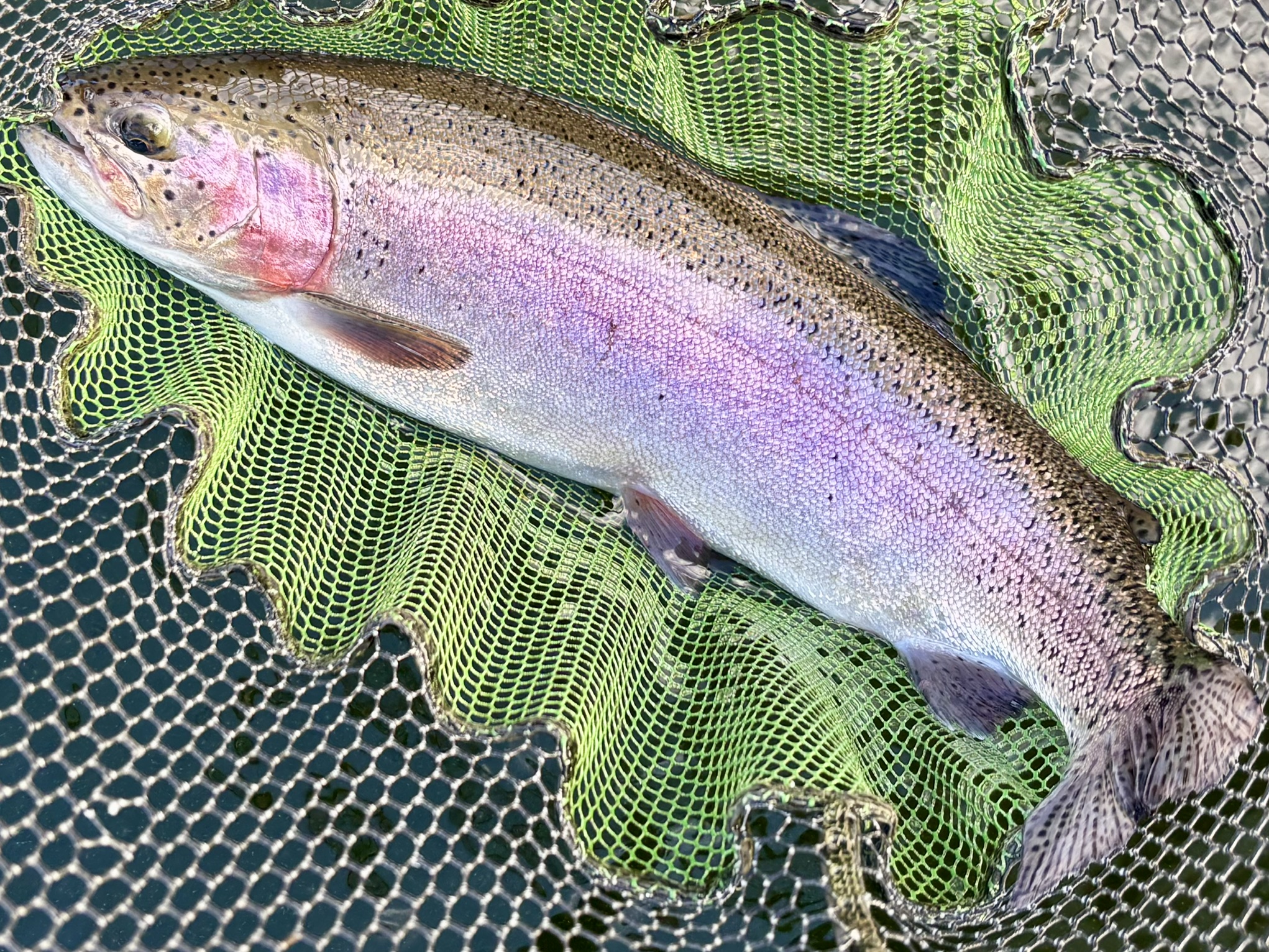
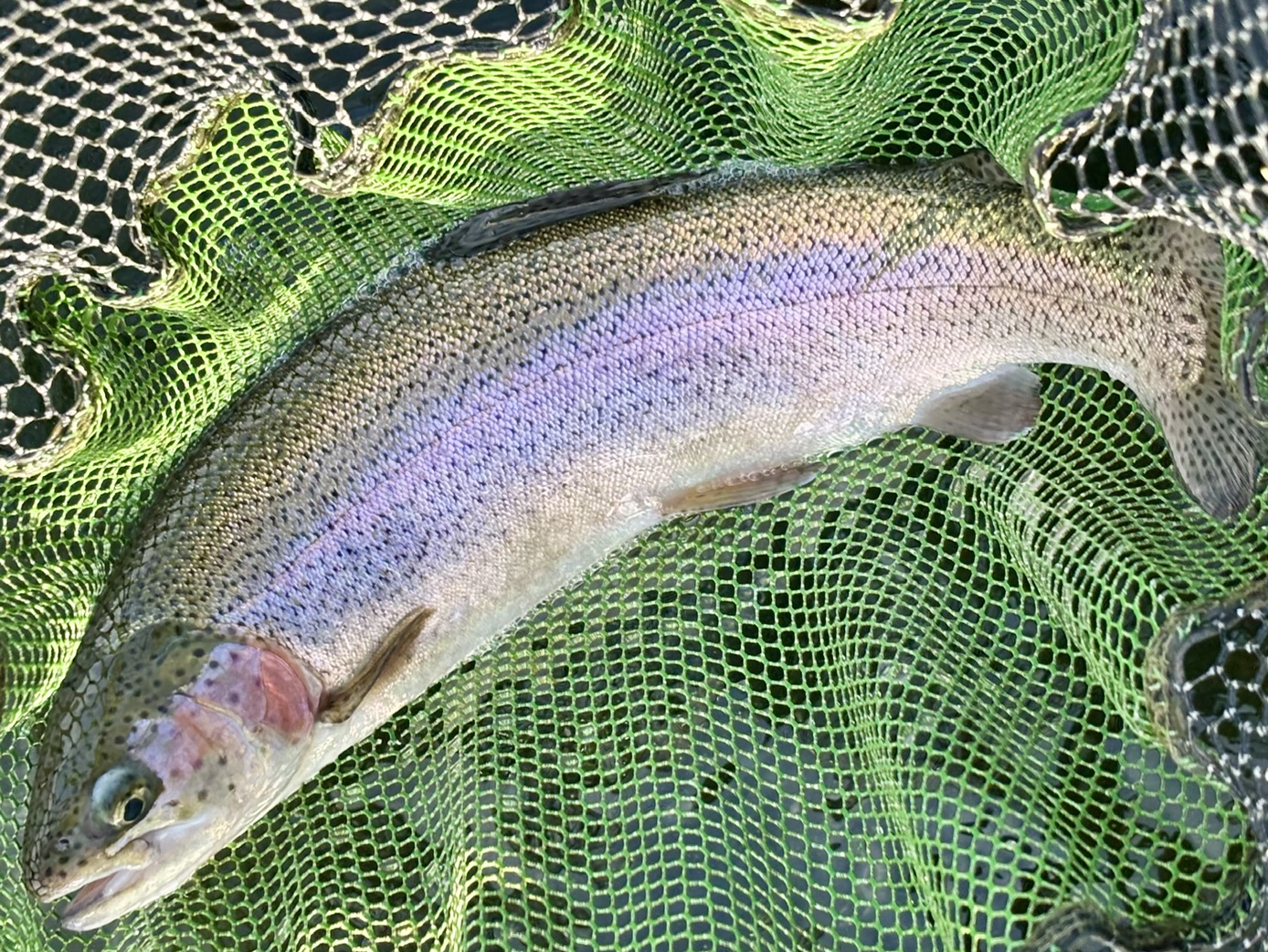
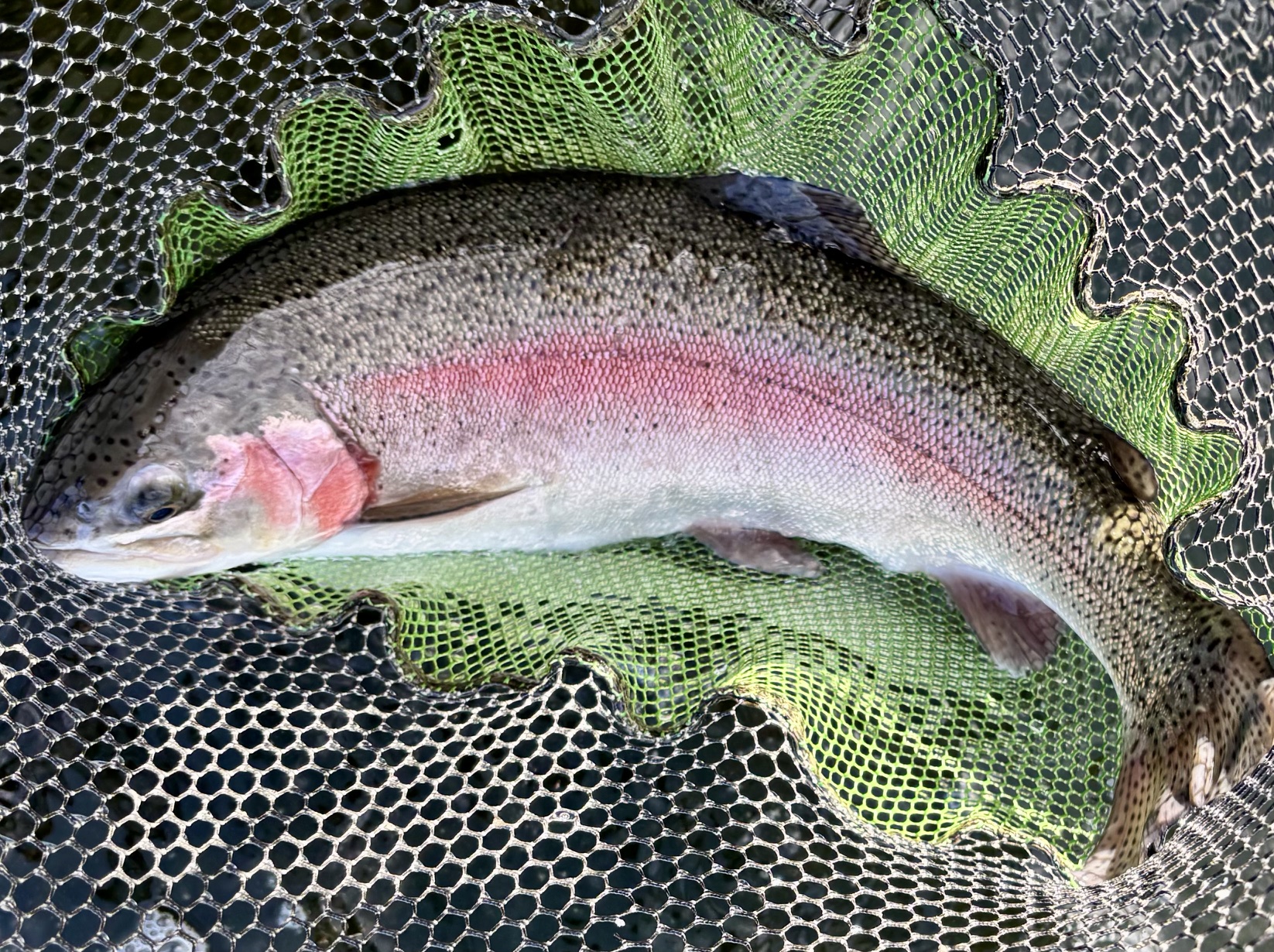
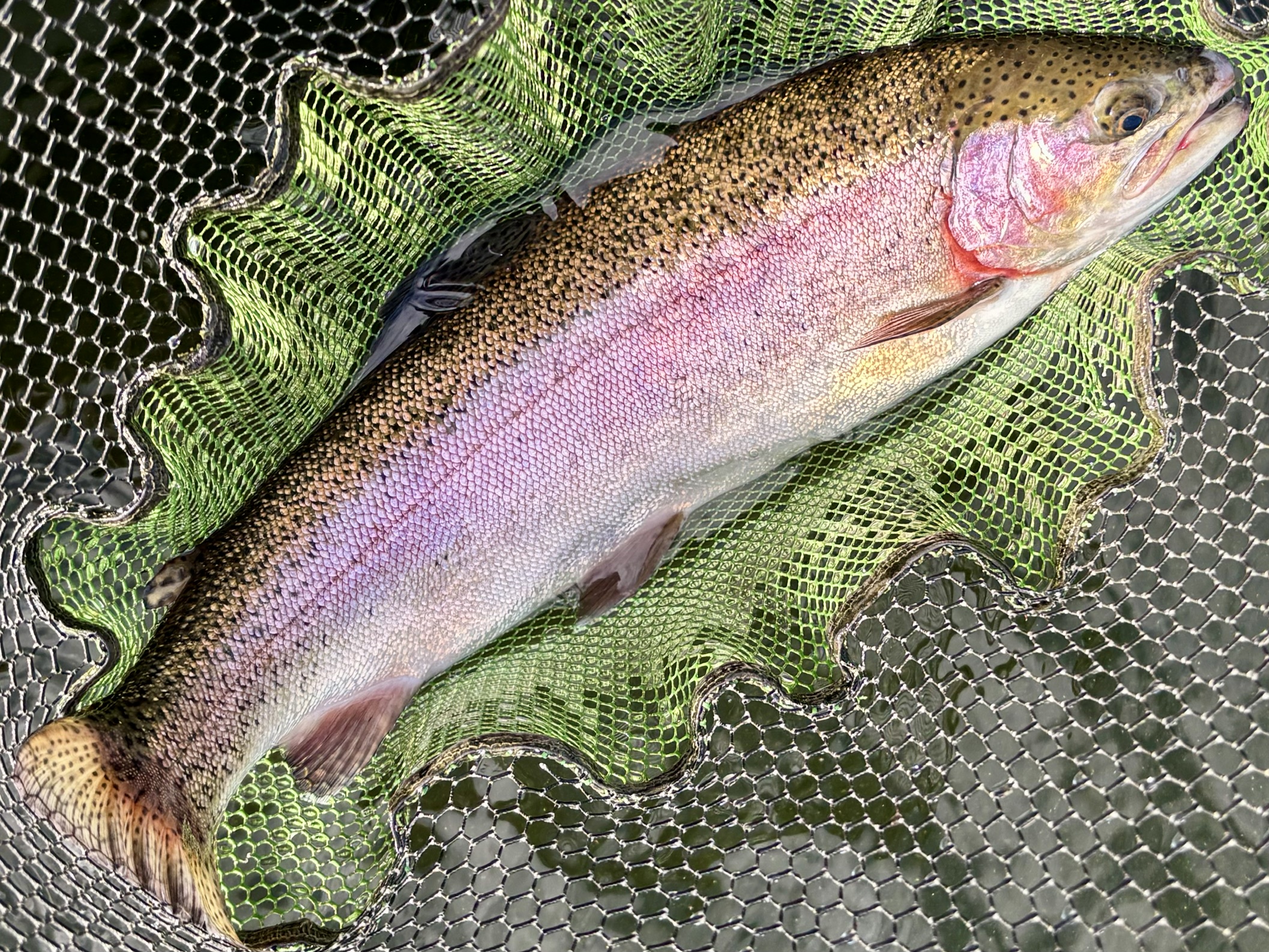
Following a wet and windy night, Monday dawned mild and overcast with a light and steady breeze providing ideal conditions for fishing dries. Mike and I headed to the bottom of Swing Gate Bay and were delighted to find a good number of fish feeding close to the shore on either side of the bay. A tan flat daddy fished static or in short pulls was instantly successful and produced fish regularly. I then decided to try a couple of very odd looking foreign patterns I had tied up to see if, despite their unusual appearance, they would work as well here in the UK as they did in their USA and Tasmanian homelands and I’m happy to report they performed unbelievably well. The first pattern I tried was a large American foam pattern called a Chubby Chernobyl, which is used as a Grasshopper pattern to great effect on both rivers and lakes in Utah, Wyoming, Montana and Colorado. This is certainly the biggest dry fly I have ever used, having been tied with 3mm. thick foam and sporting X shaped rubber legs fore and aft and two large white Poly Pro wings along the length of the body which made it clearly visible not only to me and Mike but also to the Coldingham trout, as it was instantly engulfed when it hit the water on its very first cast. Three fish later I changed the fly to a much more demure Tasmanian pattern devised by Tom Jarman simply called, Tom’s Hopper. This size 14 sedge like fly uses 2mm. thick tan foam to act both as an extended body and also as a support for the deer hair overwing, a small thorax of dubbed SLF and a pair of X shaped rubber legs completed the pattern and once again, on its very first cast, the fly was taken positively. A further 3 fish followed in quick succession before I changed back to my flat daddy for the remainder of the session that resulted in a total of 18 fish being netted and several others lost in play. The overall size and quality of these fish had to be experienced to be believed, for not only were they in superb condition but the vast majority were well over 3 lb. with many in the 5-6 lb range. Truly, a red letter day, especially at this time of year and after such a long, hot and dry summer.
Unfortunately, the ideal weather conditions didn’t last long as the rest of the trip was blighted by sunny, cloudless skies, accompanied by stiff and chilly North Westerly winds which reduced fly life on the water to virtually nil and as a result, rising fish were few and far between. Dry fly fishing was hard going, with long periods of inactivity only interrupted by an odd fish taking blind. However, on Tuesday 6th October, I was pleasantly surprised to find rising fish at the North end of the loch, the cause of which were short and sporadic hatches of olives when a carefully presented olive CDC and foam dun produced 9 fish to the net.
With dry fly not really working for me, I tried various other tactics including straight line nymphing and various washing line set ups, but with the exception of a few fish that fell to a blue flash damsel and a hare’s ear nymph, these tactics were also not particularly productive. Reluctantly and for the first time in many, many years, I returned to the darker side of my fishing experience and tied on an orange gold head Apache lure and cast it to within a foot of the bank along the east side of the narrows and I have to say, it was transformational. Takes came within the first three feet of the retrieve and if fish were not hooked, tugs and pulls were a regular occurrence which encouraged me to try this tactic on both sides of the narrows. The low water level made a floating line a prerequisite, but even that was not always a viable option in some places where despite the best efforts of Gareth to clear as much weed as possible, residual weed was problematic.
On Wednesday 7th October, I was joined by my good friend John Dow and after a brief catch up, we headed to the narrows and started the day with dries. As expected, it was slow going, but we persevered and eventually I managed a fish on the flat daddy. A change to a duo of damsel and hare’s ear nymphs brought a couple more fish to my net, but sadly, John couldn’t buy a take. I then changed to an orange Apache lure and suggested John do the same, but yet again, while I was into a fish almost straight away, John struggled to get any hook ups, but at least he was now getting some tugs and pulls. Eventually we made our way to the bottom of Swing Gate Bay and as before, fishing into the margins, produced fish after fish for me but still John struggled. I suggested to John that he slowed his retrieve right down to a very slow but constant figure of eight and almost immediately he was into his first fish of the day, a cracking rainbow of about 5lb. Several other fish were hooked and lost in play but it was clear, the rate of retrieve was critical. I ended the day with 13 fish and to save John’s blushes, let’s just say, he didn’t get quite that many.
One final note, with almost Gale force winds predicted for my final day, I was packing away my gear on Thursday afternoon when I saw a violent eruption close to the lilies at the end of the boats. A few moments later and slightly closer to the boats, another powerful surge exploded in a shower of water droplets – a sure sign that the trout are turning their attention to the loch’s large population of perch fry. Anyone venturing out from now on could be in for some exhilarating sport, but remember, when trout are in this mood, it pays to increase the strength of your leader.
Tight Lines, Les.
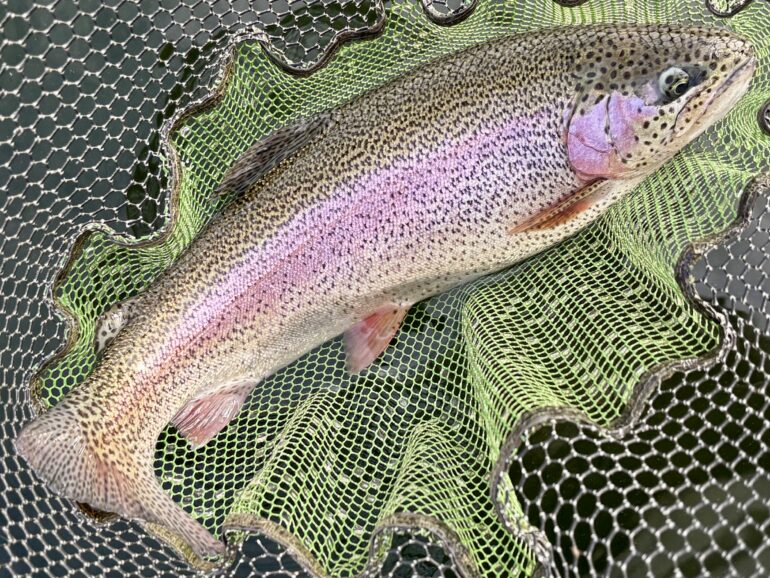
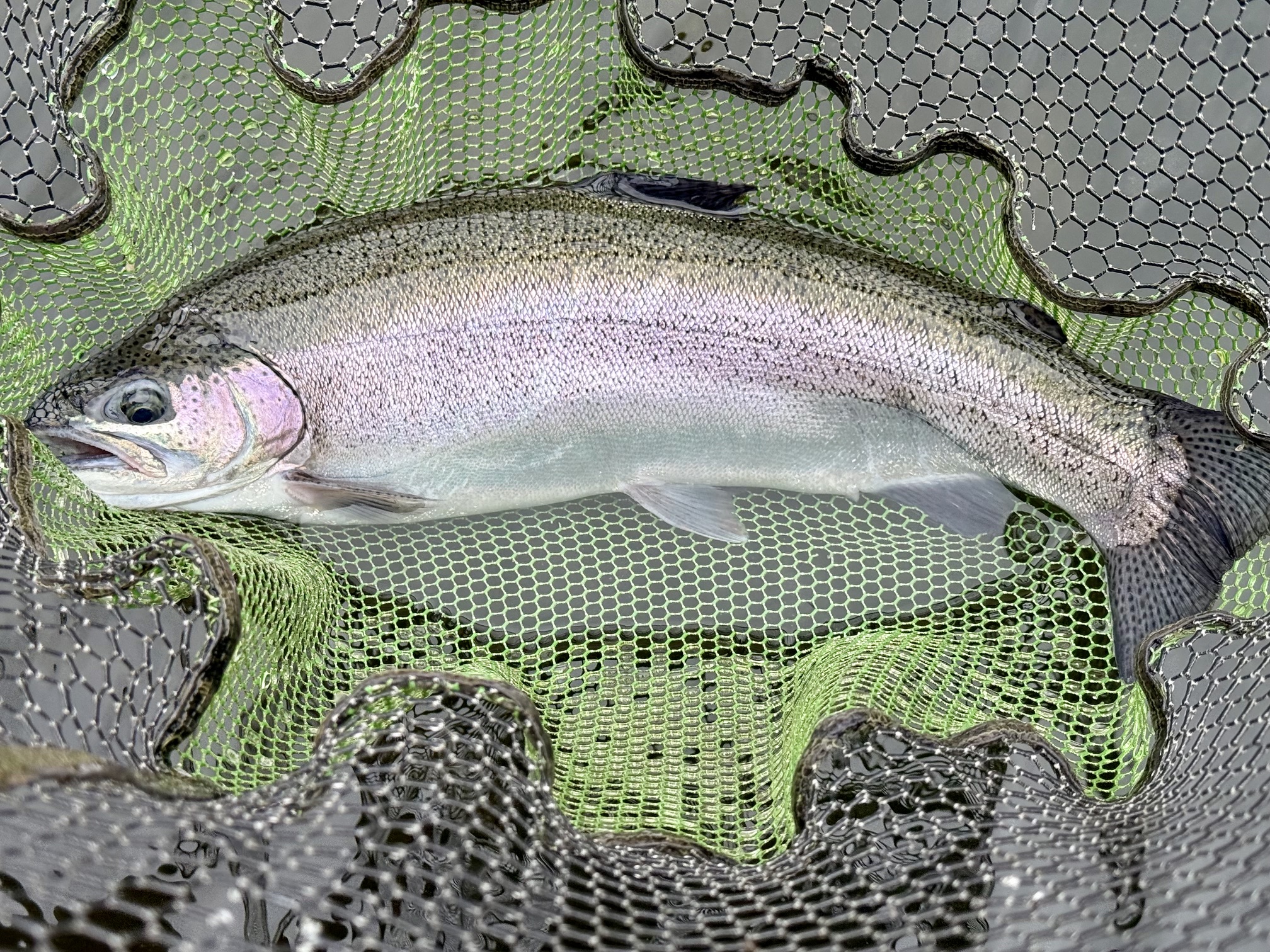
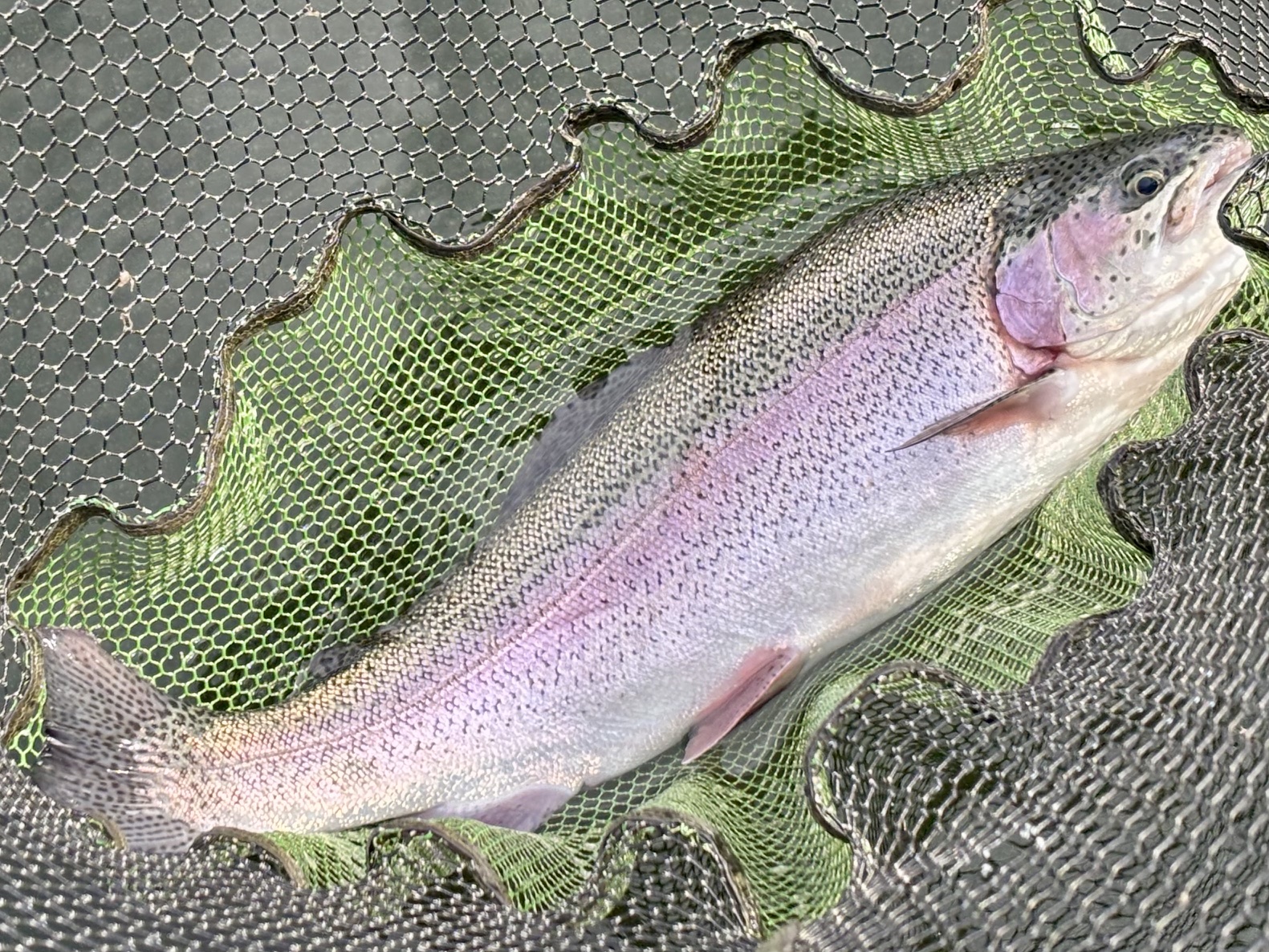
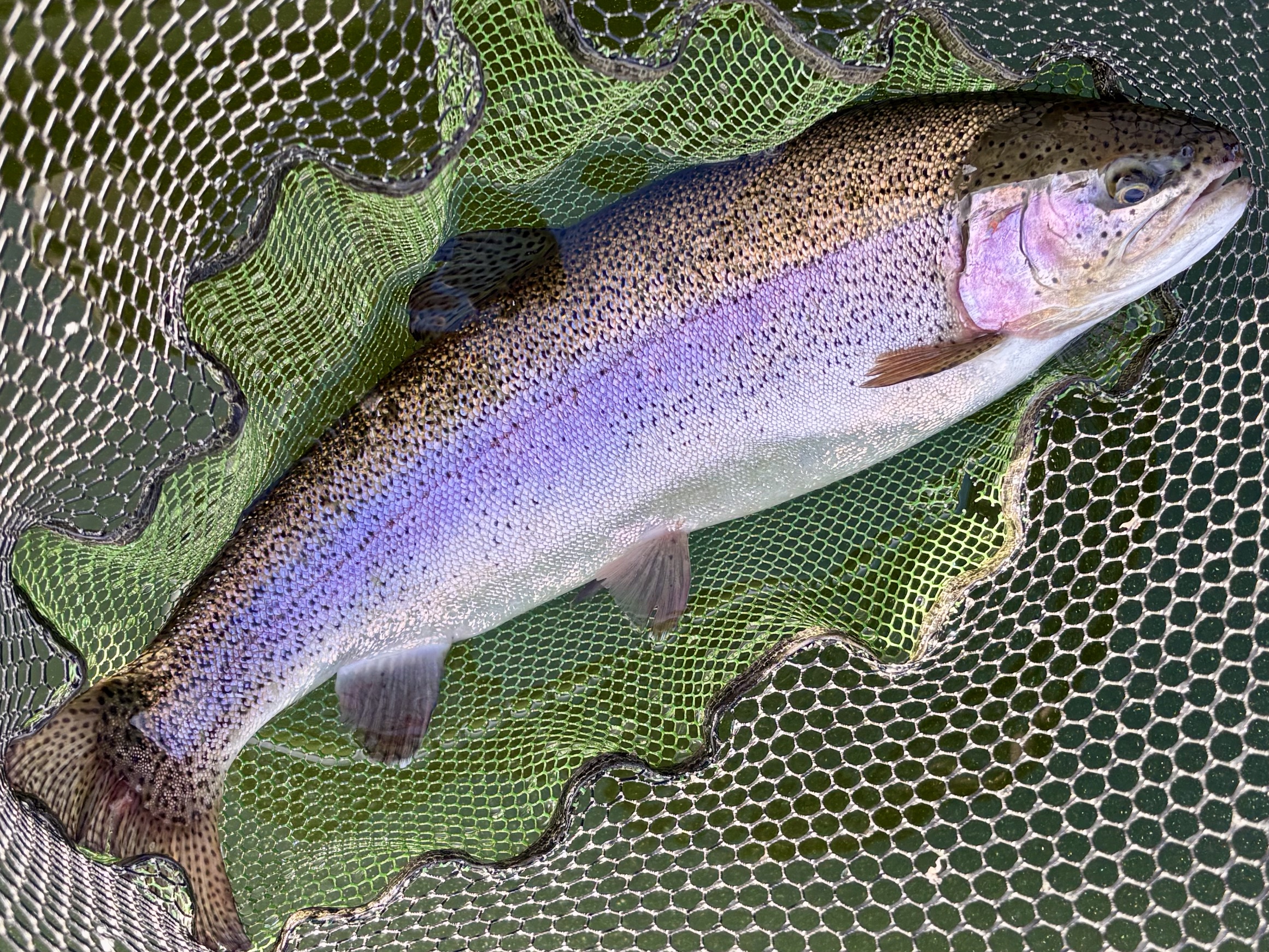
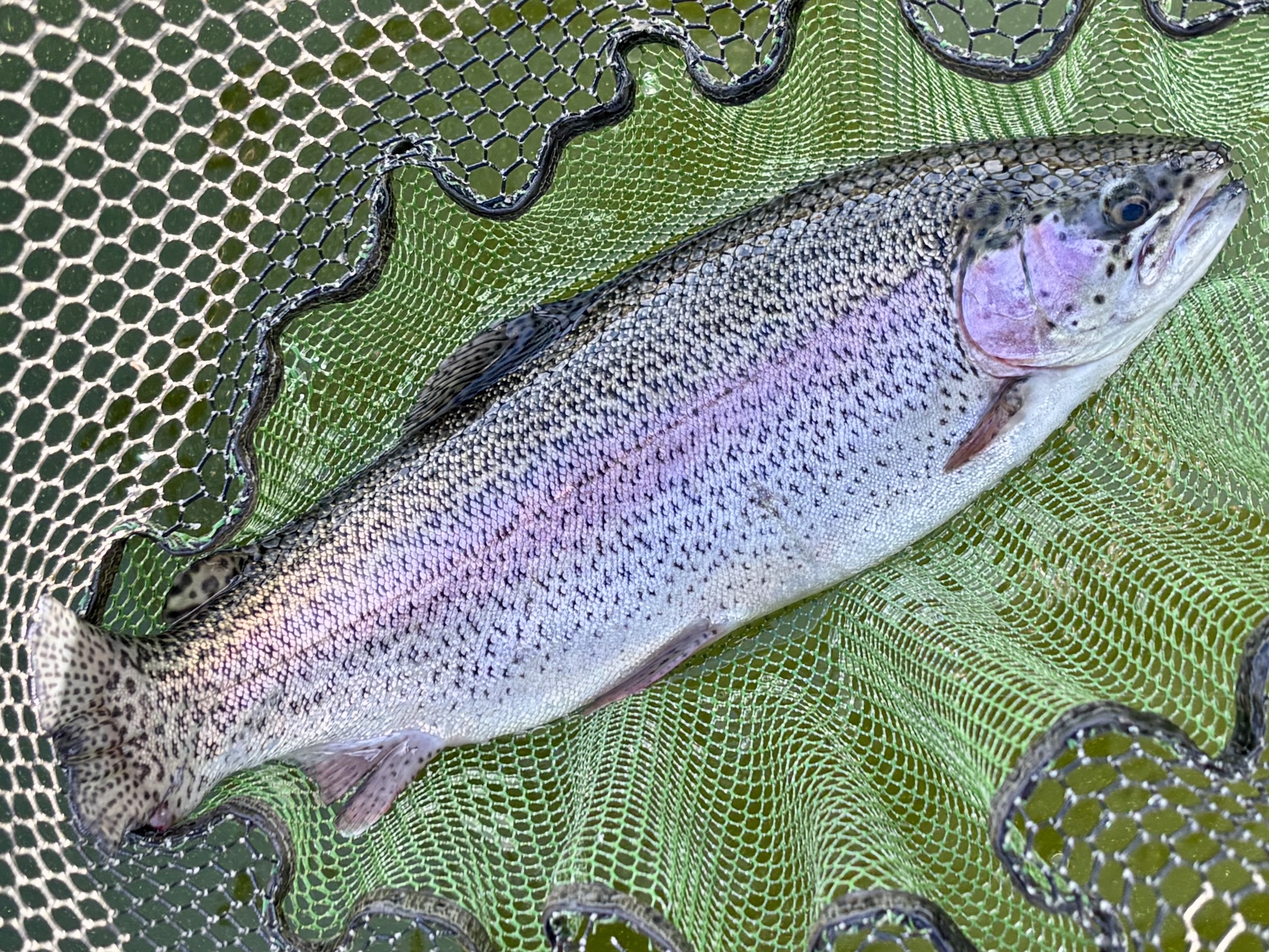
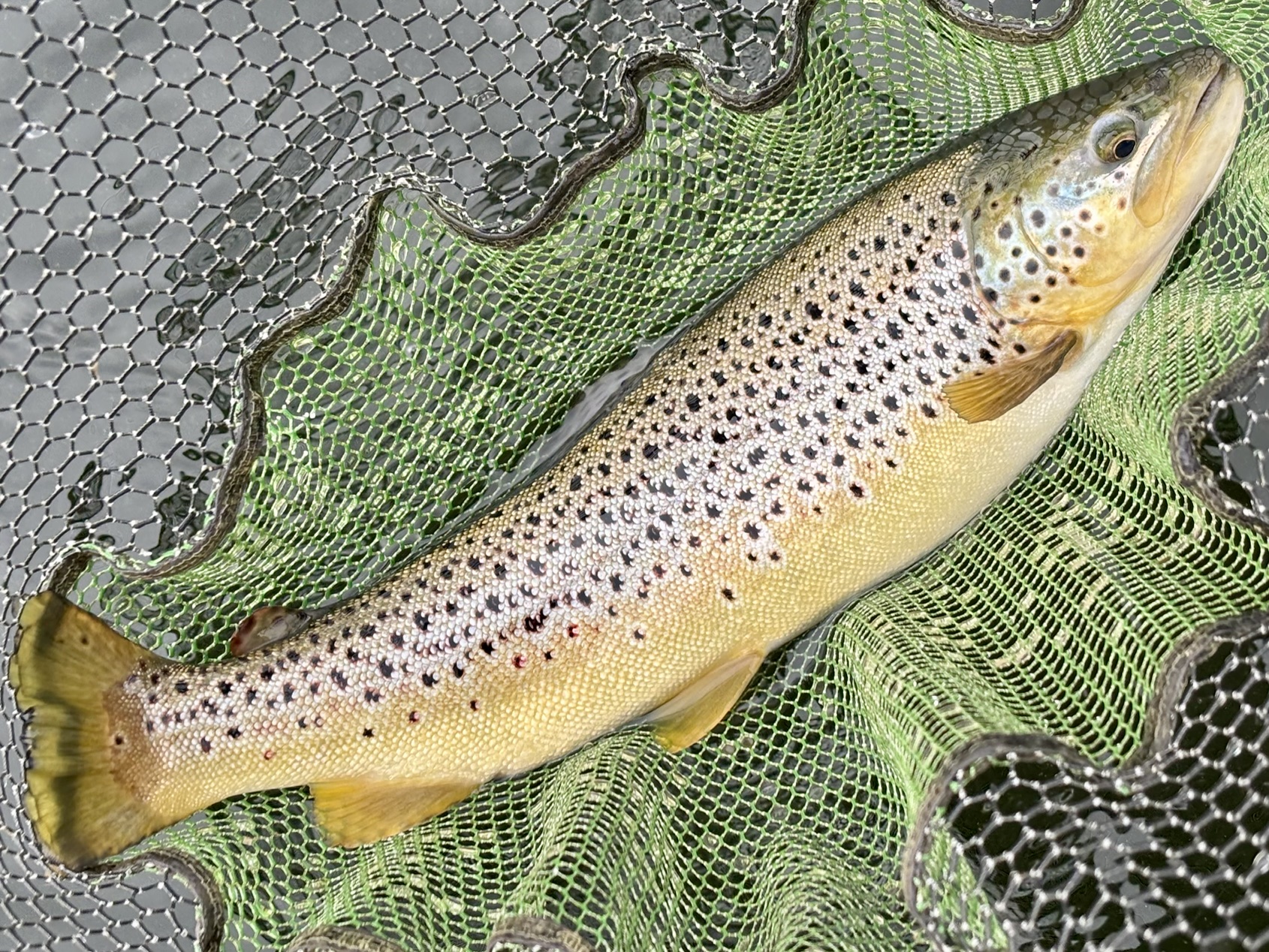
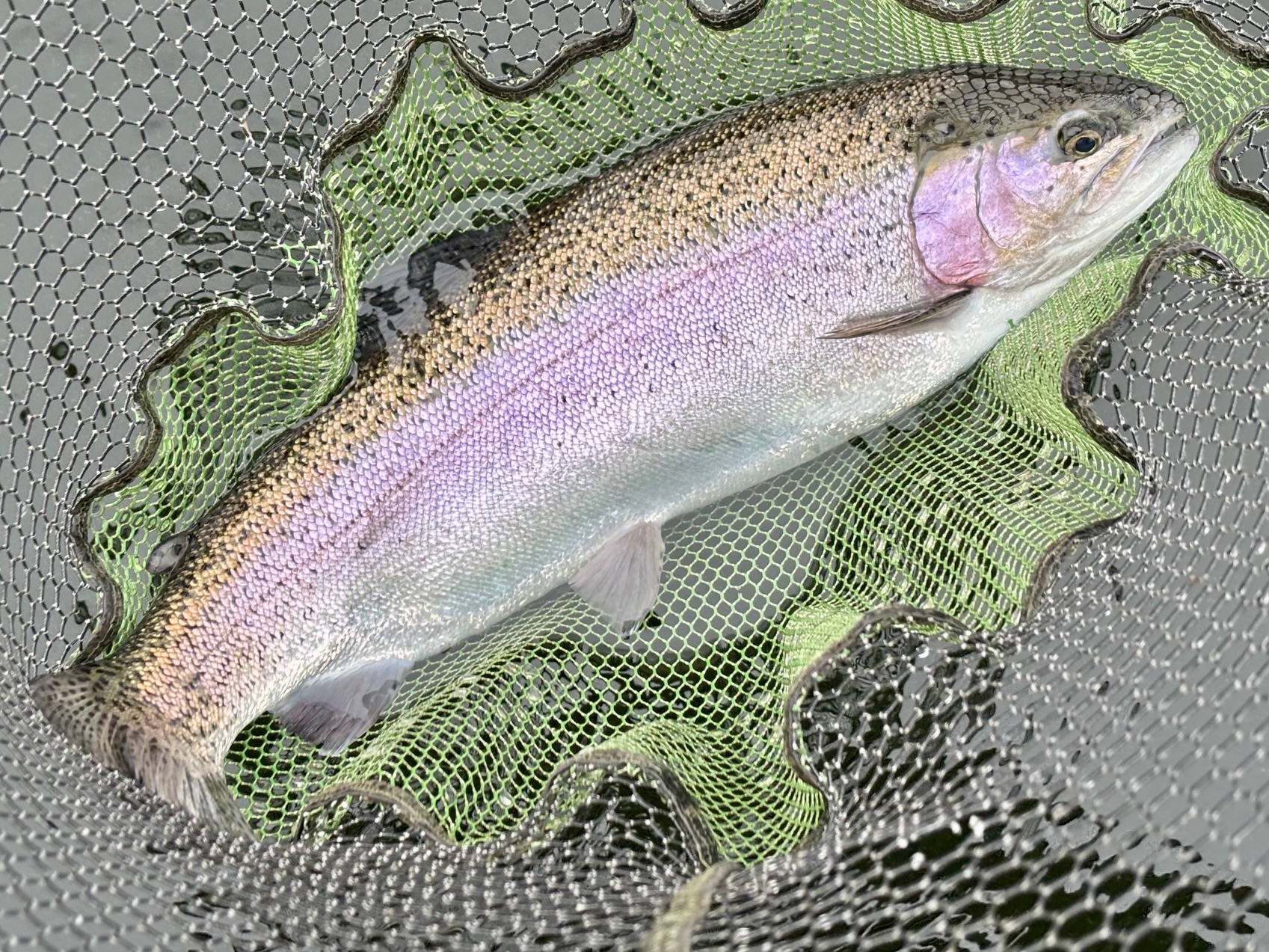
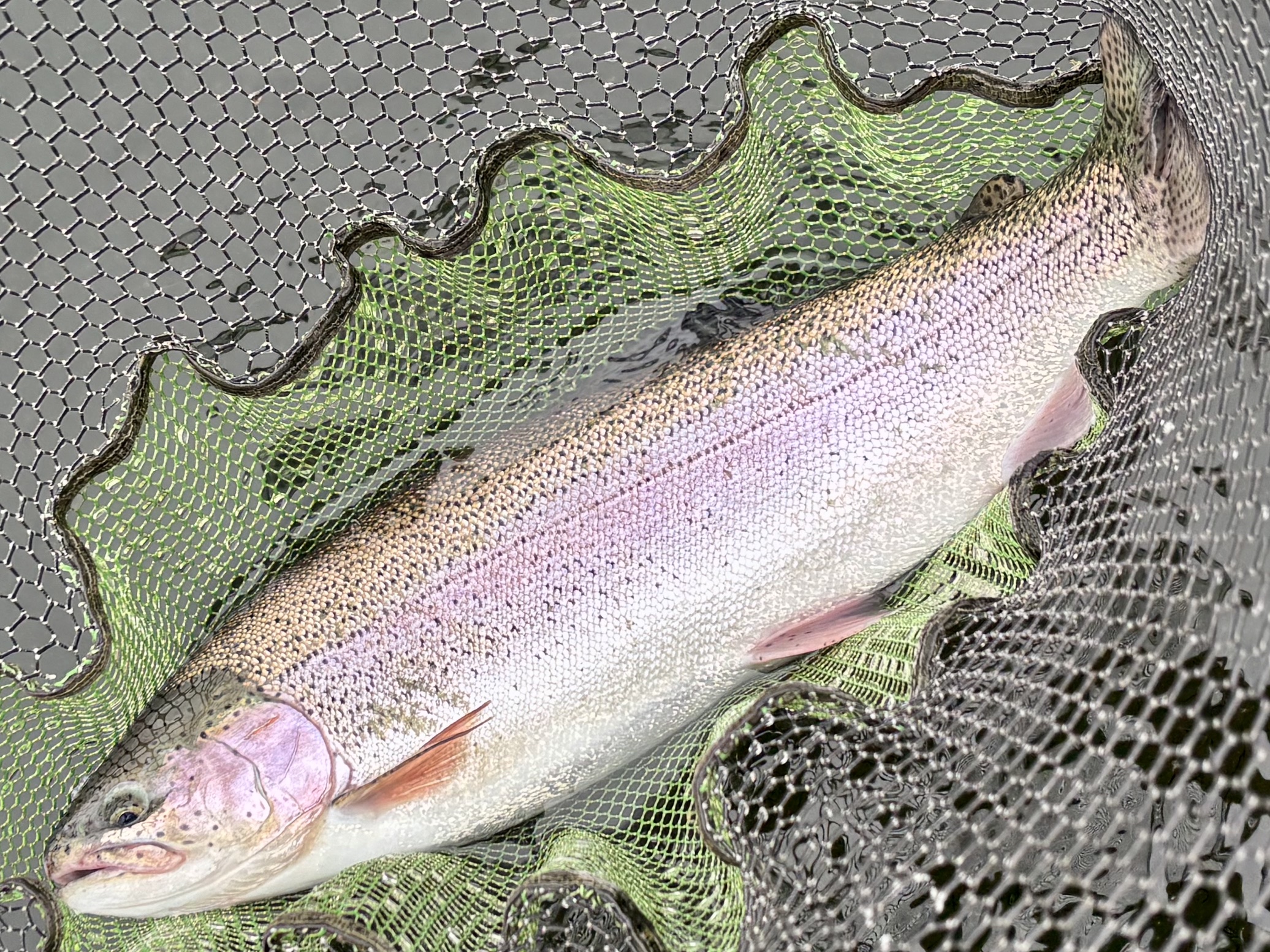
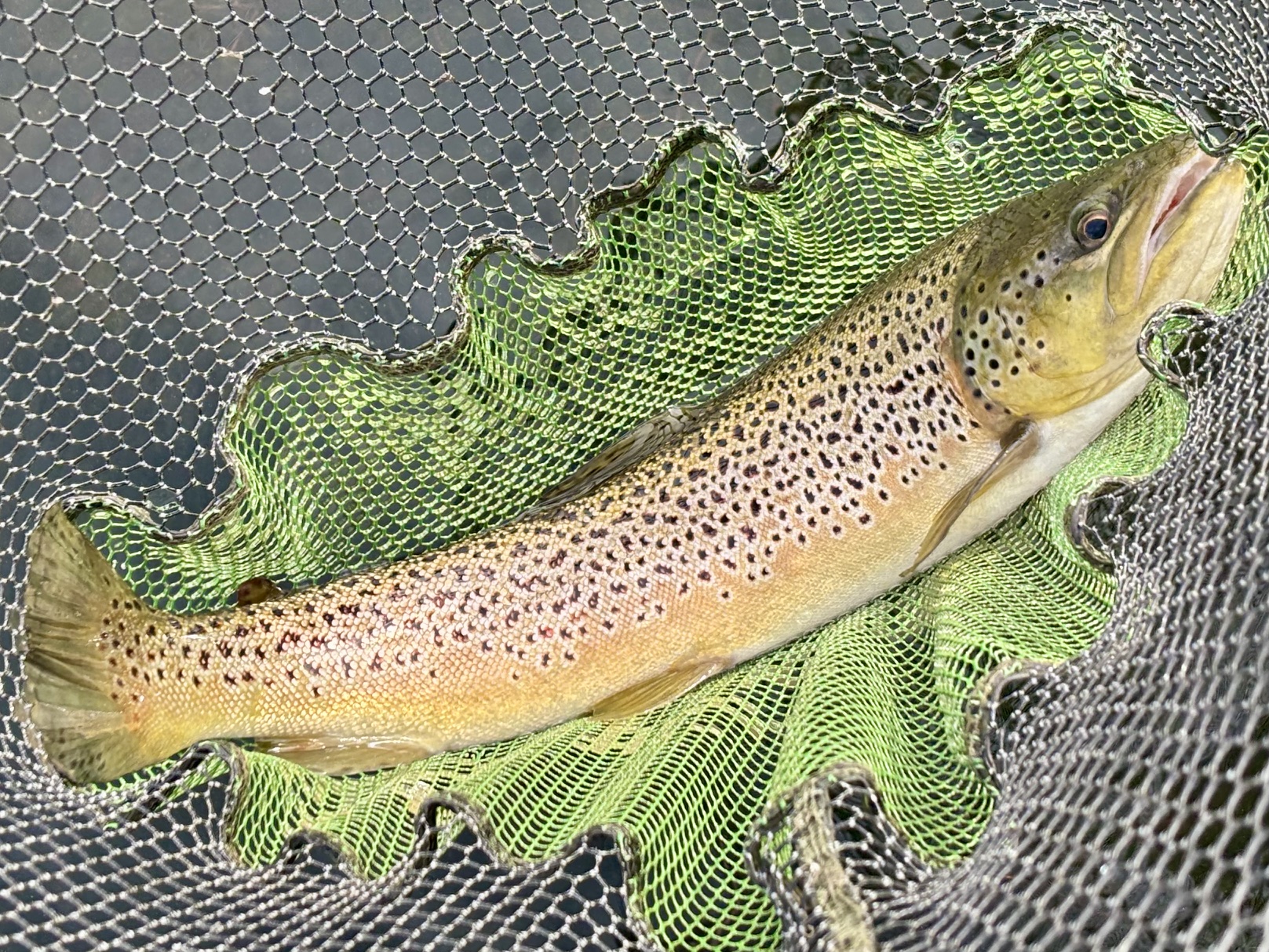
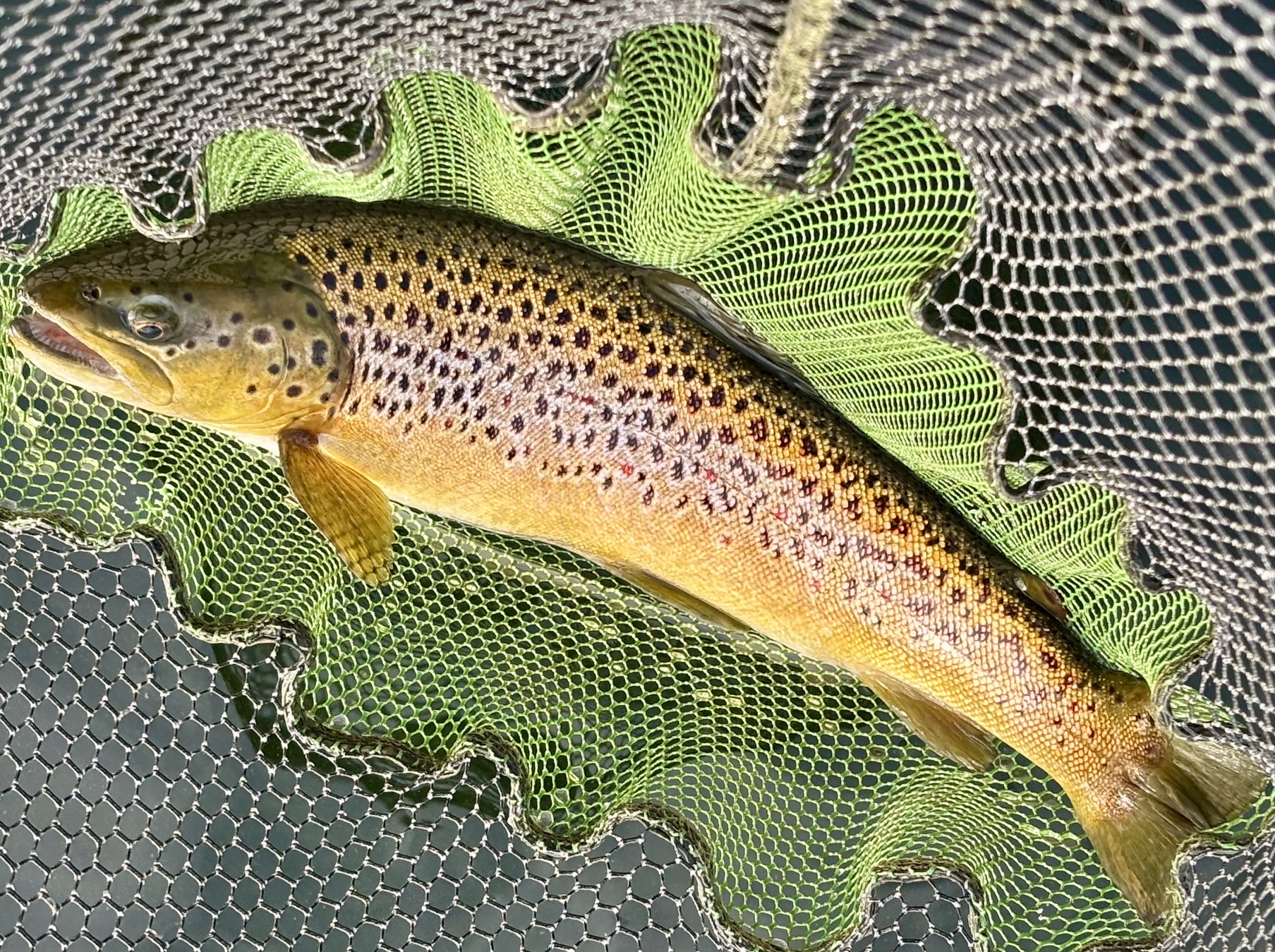
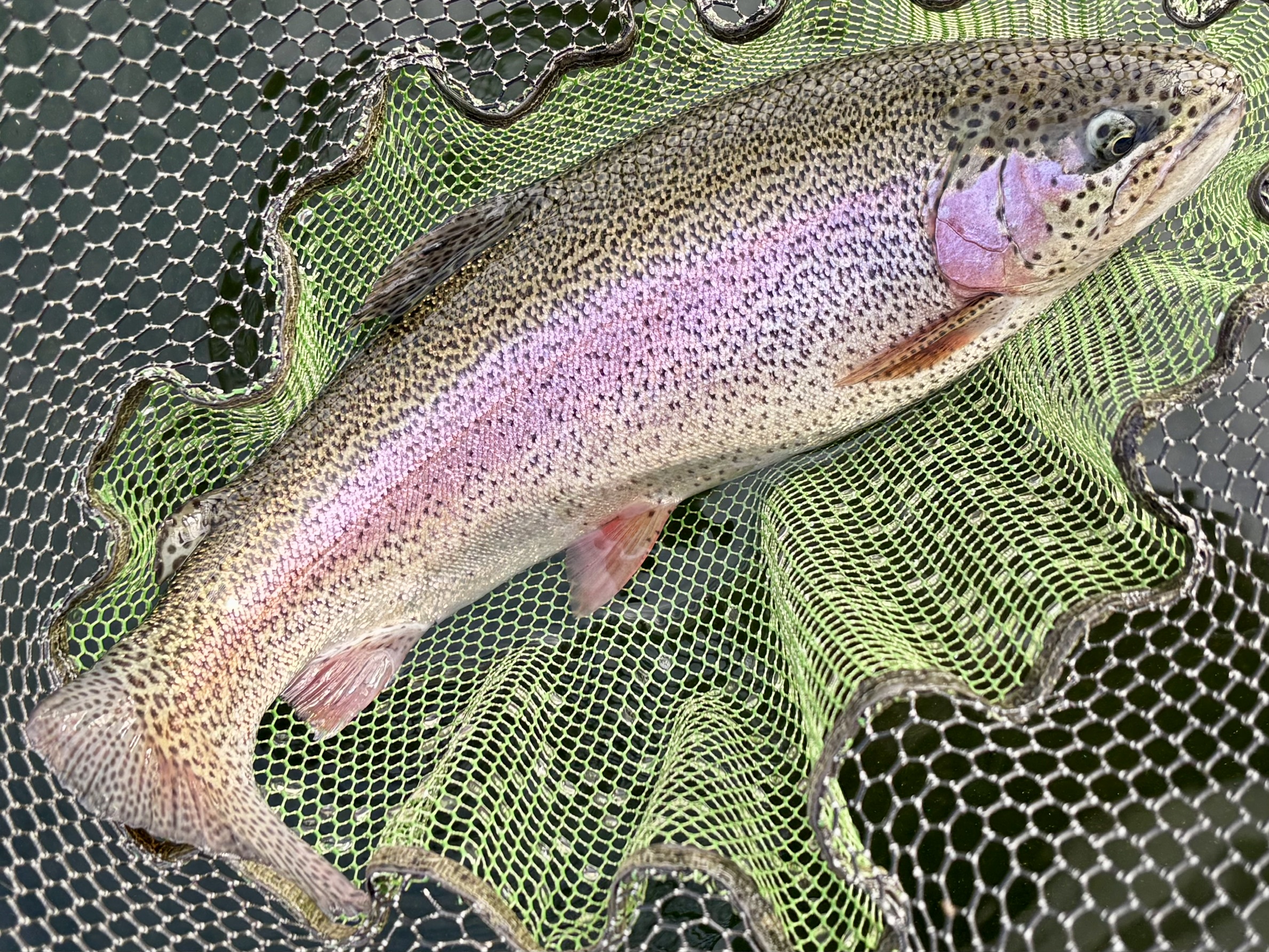
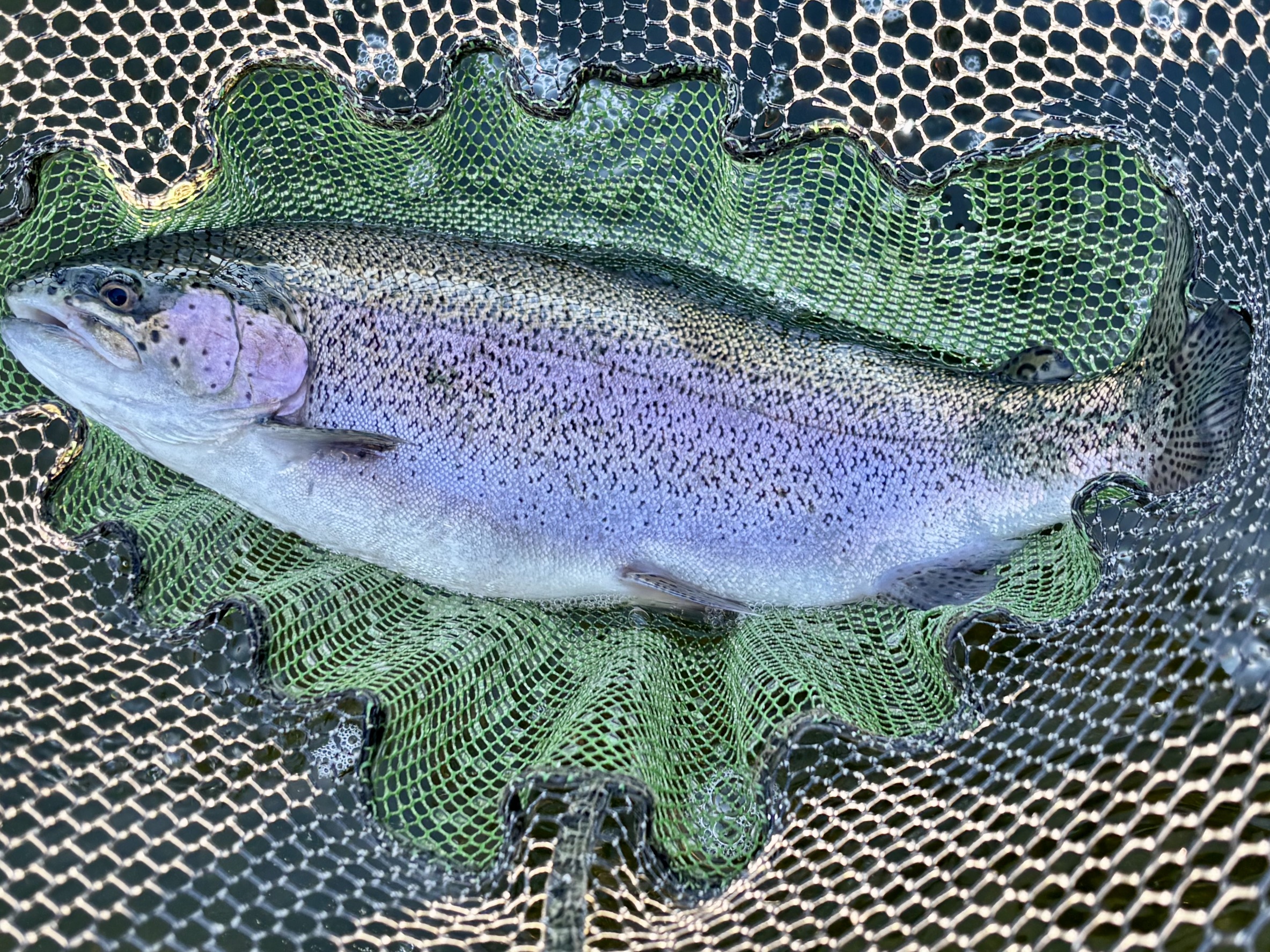
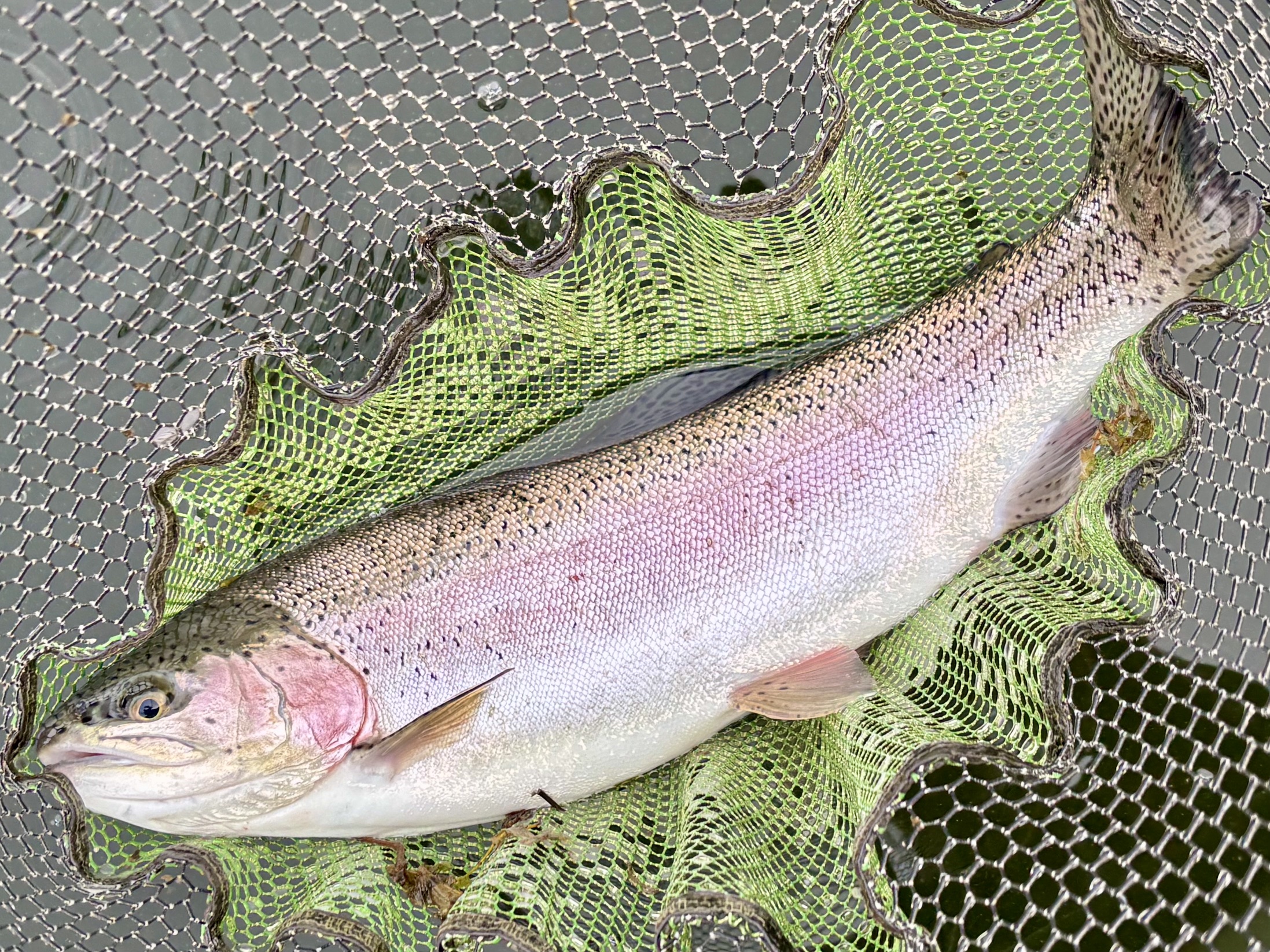
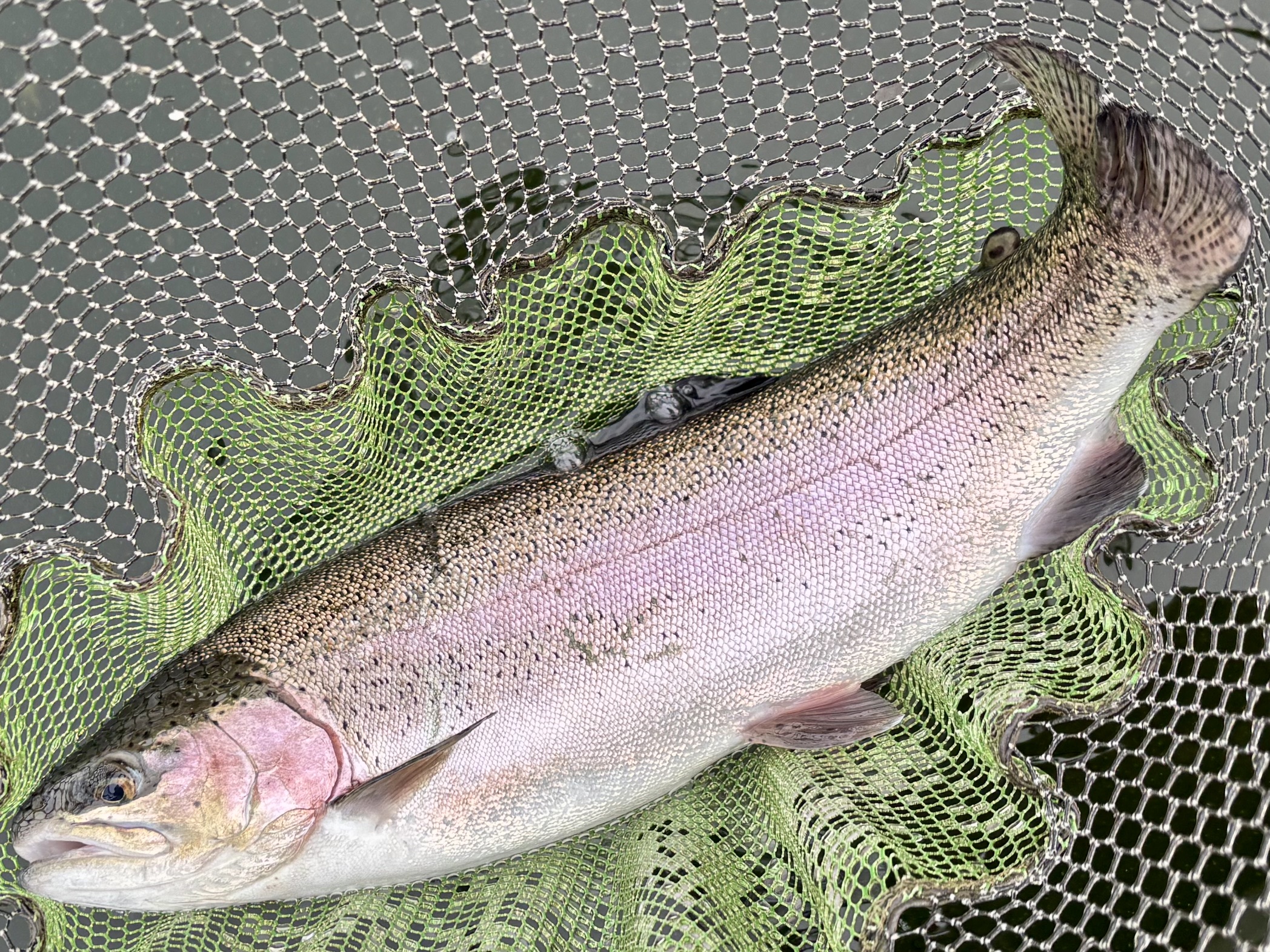
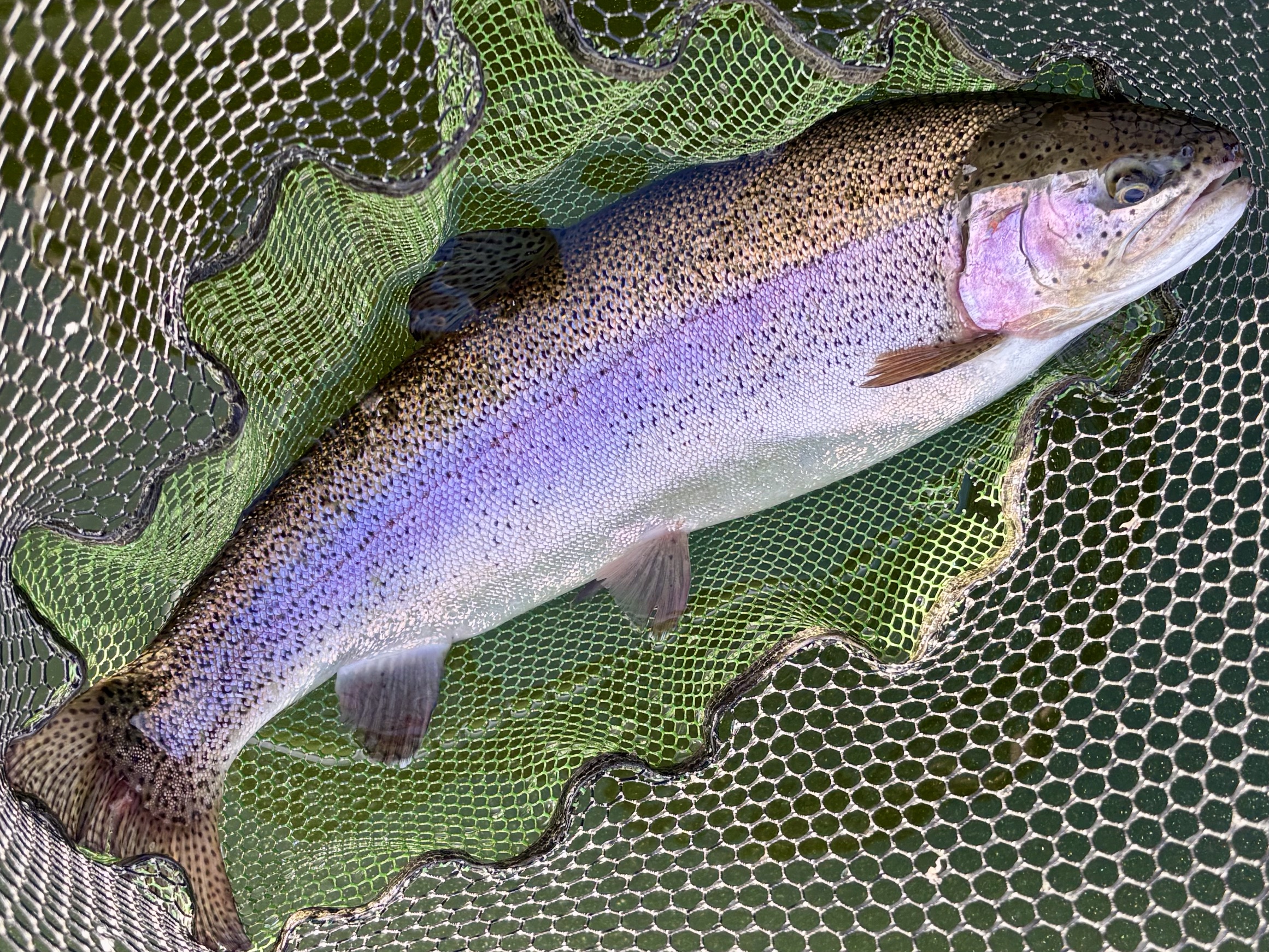
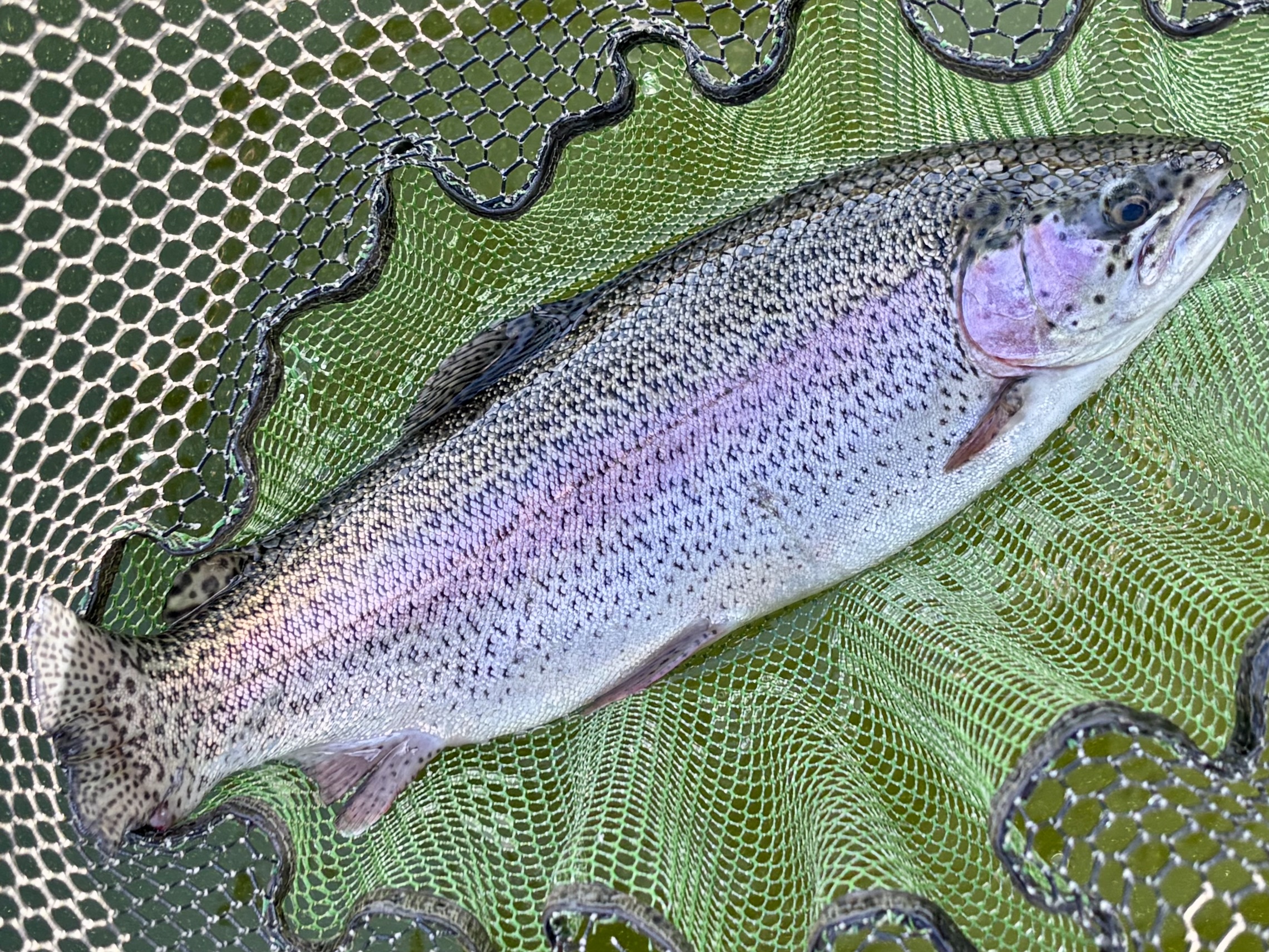
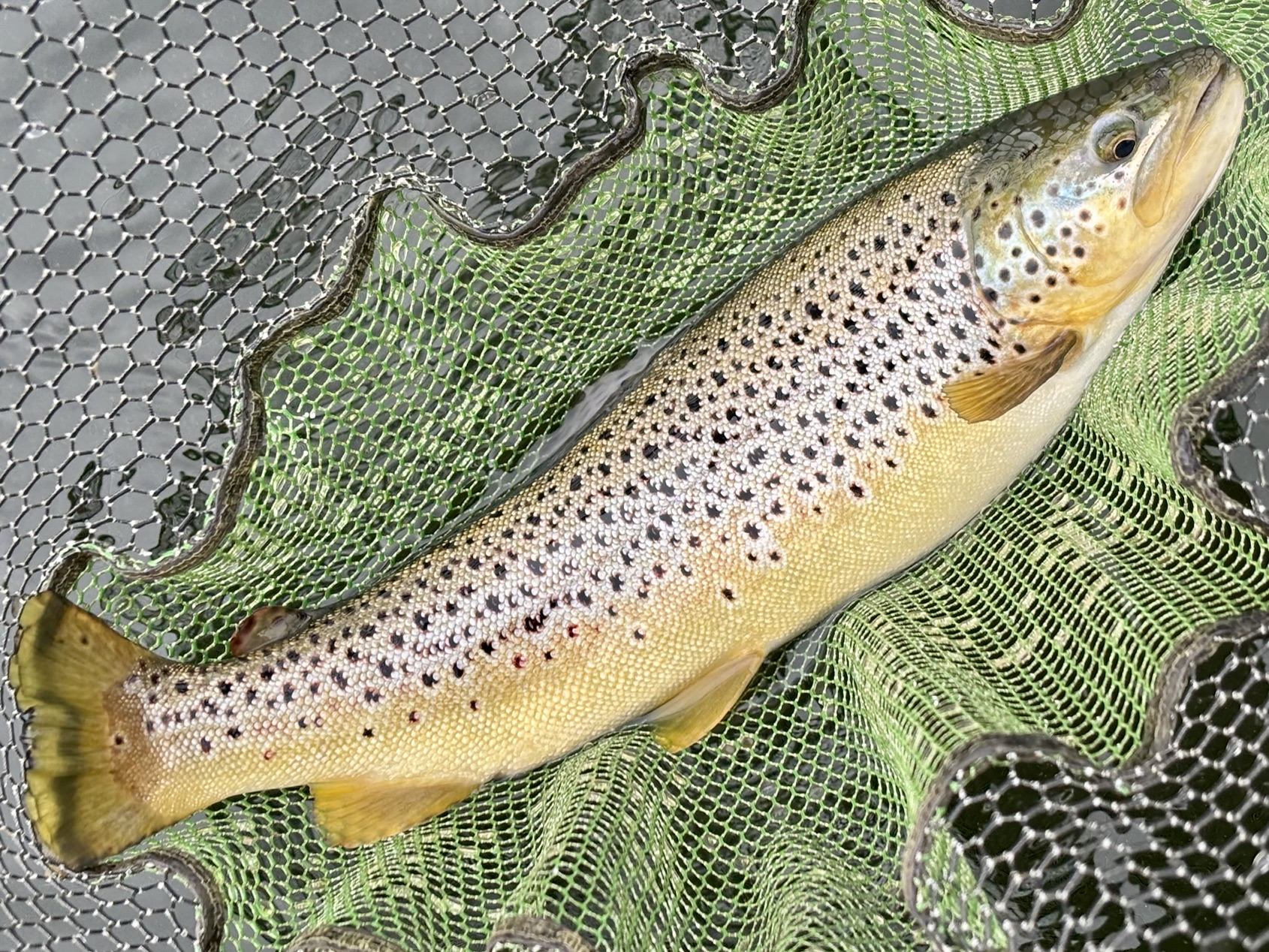
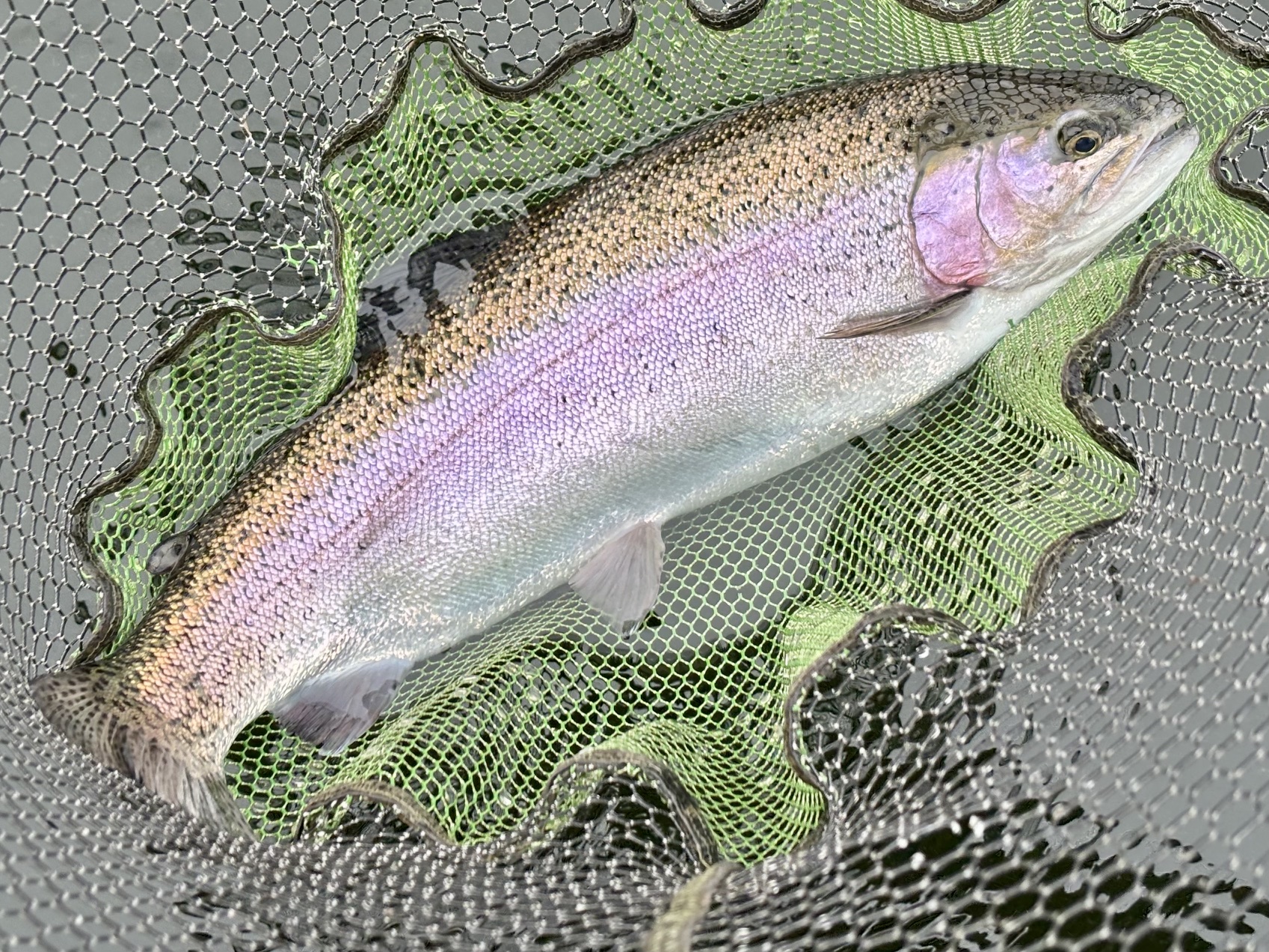
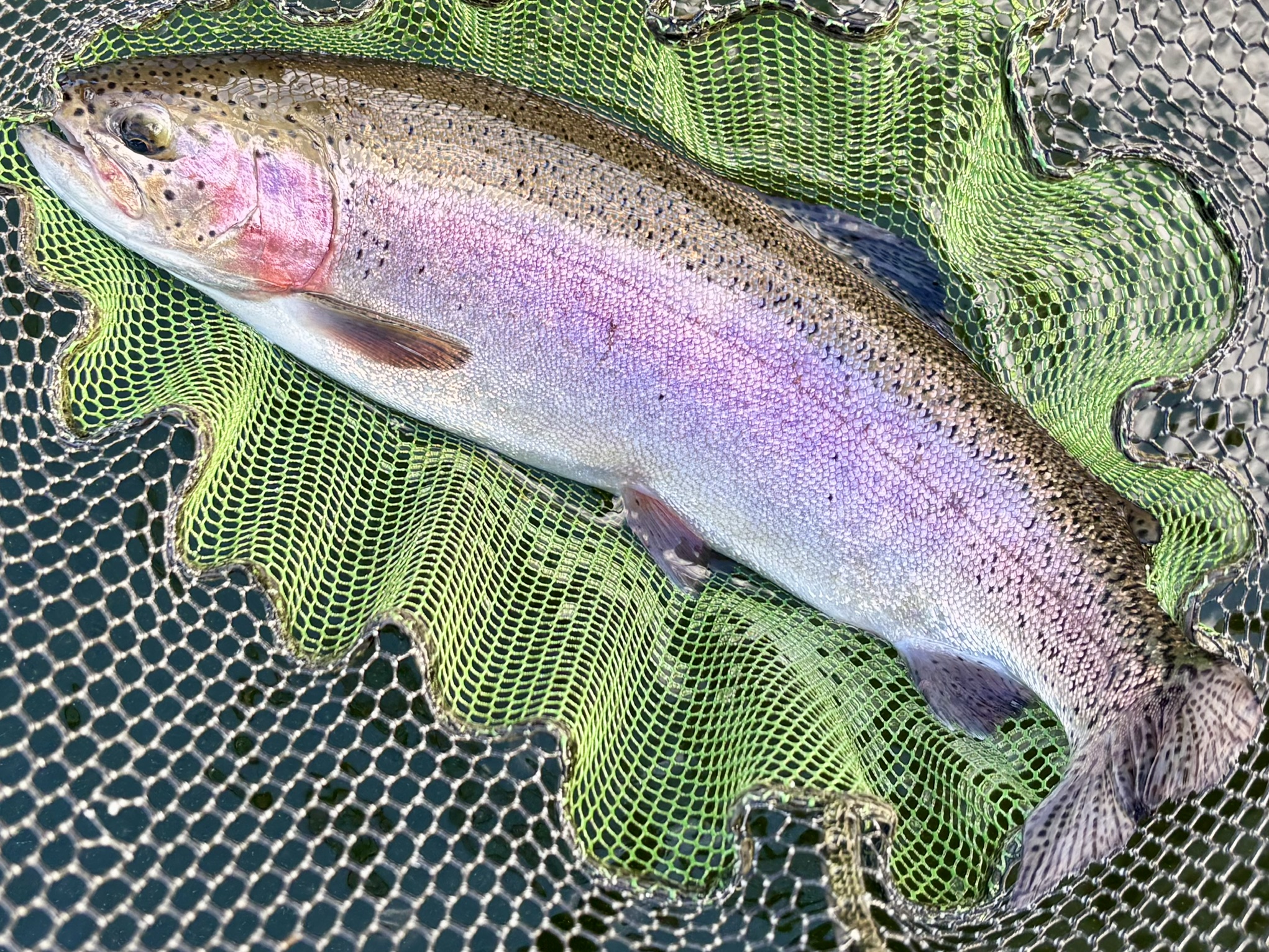
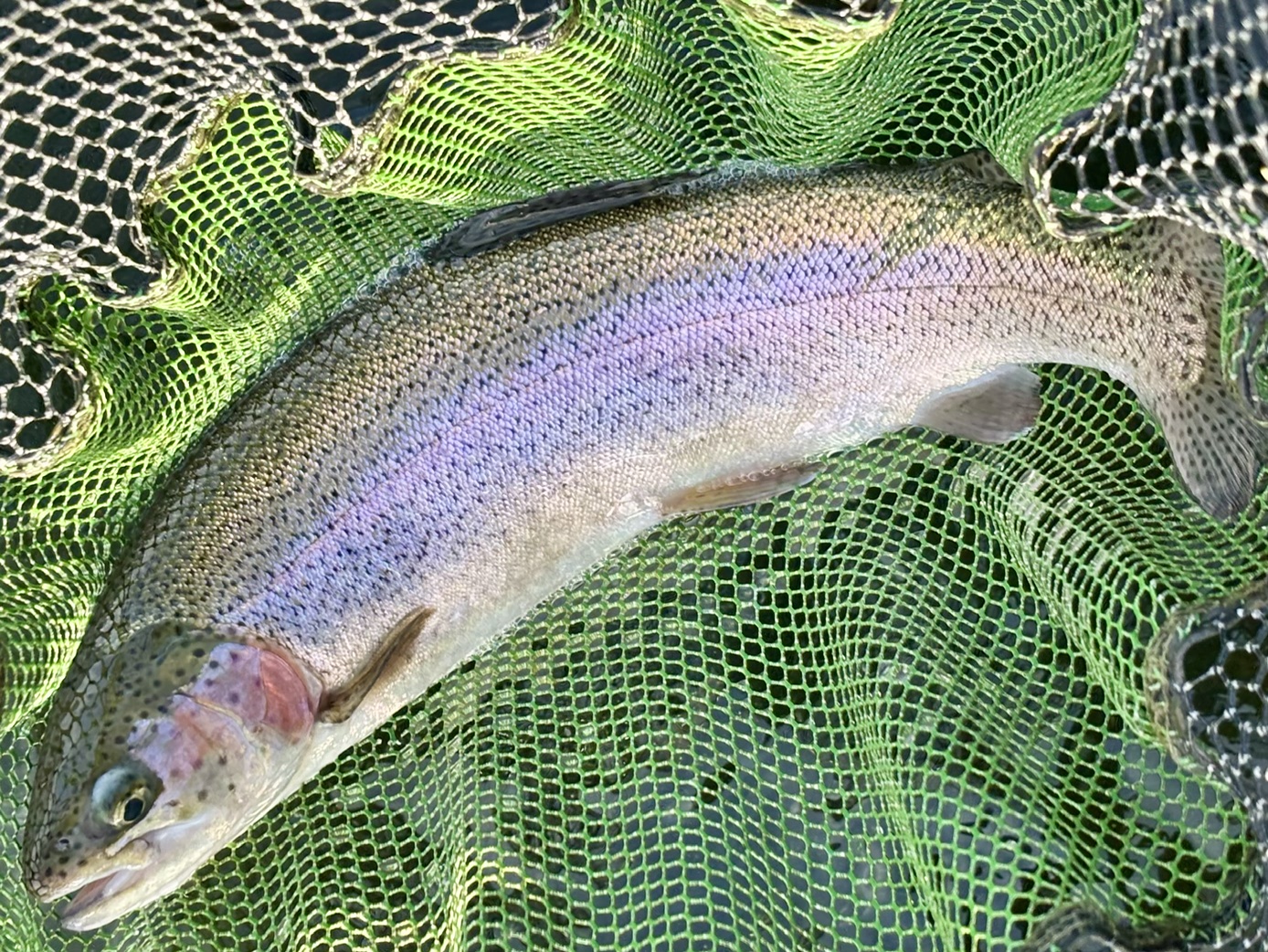
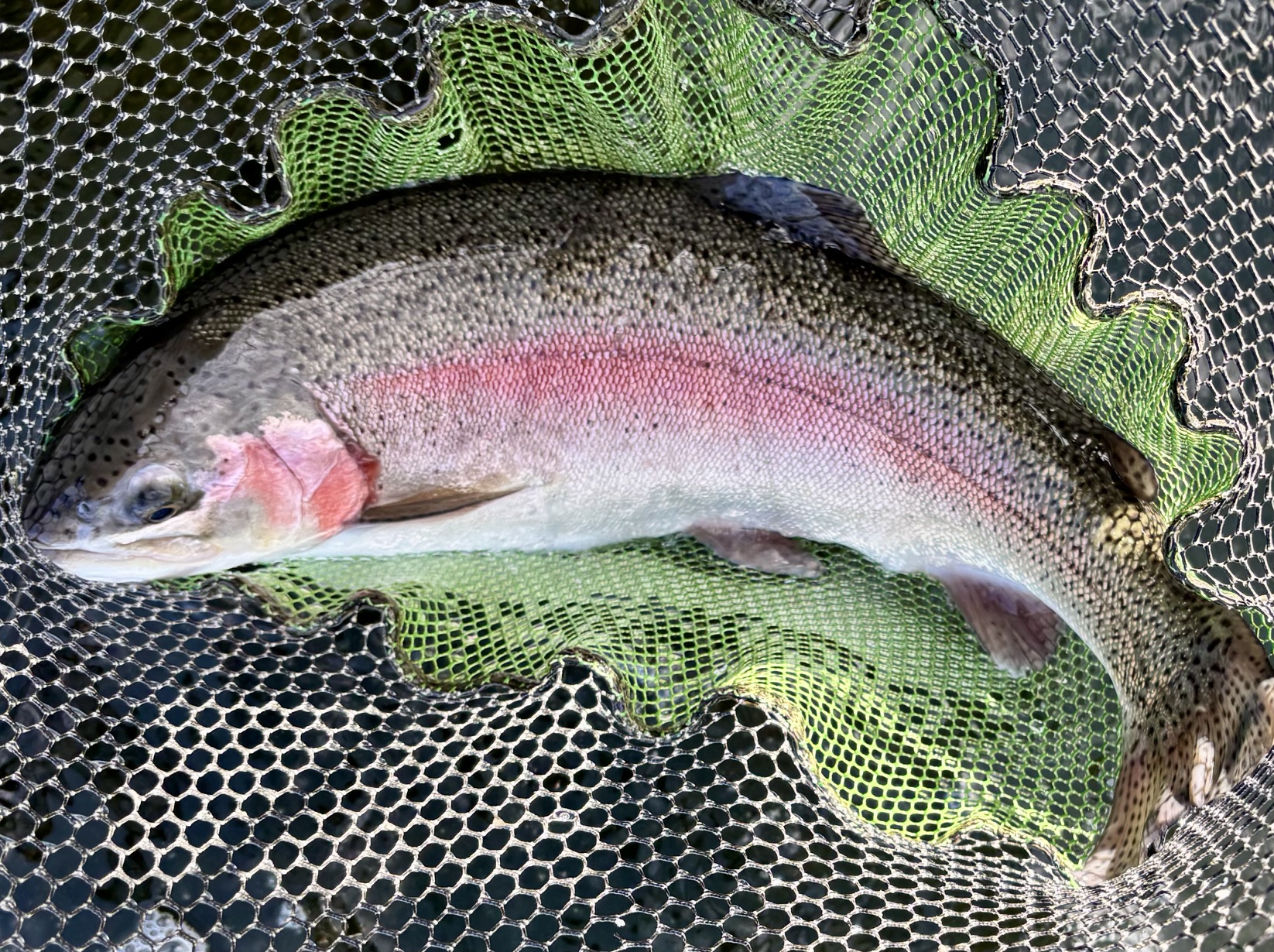
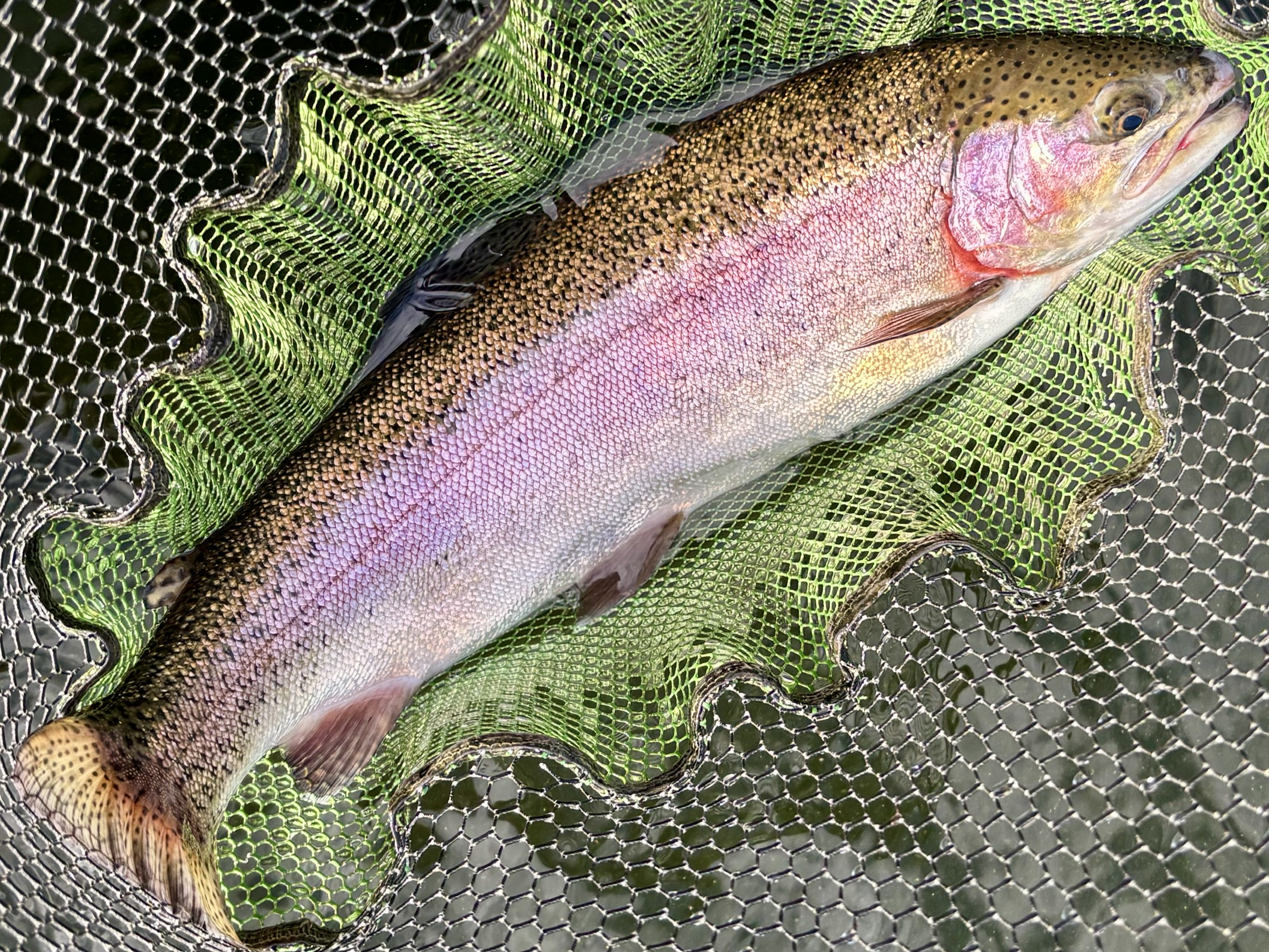
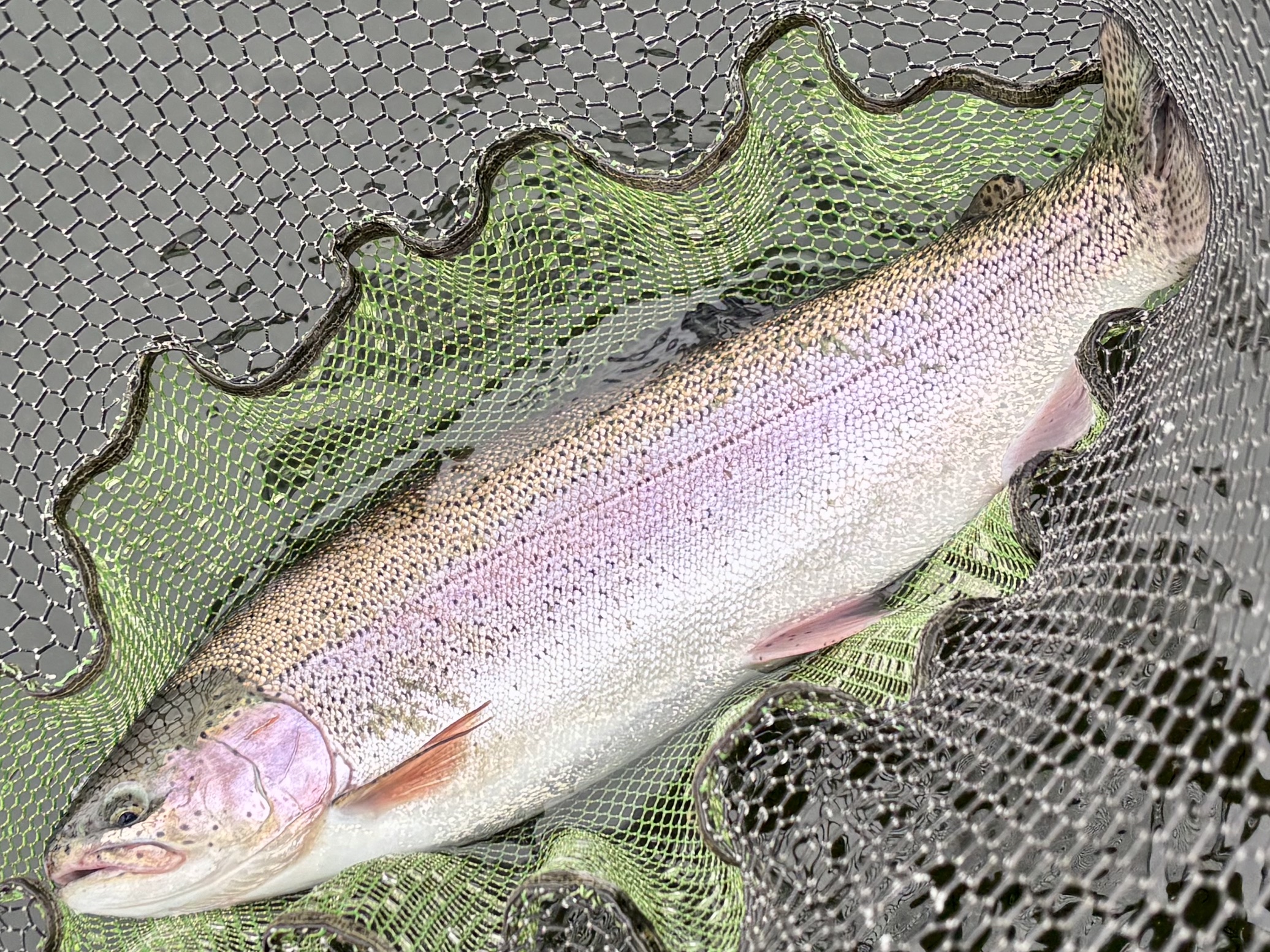
See below some of the fish Les caught during his stay. Thank you to Les as always for this fishing report which am sure many of you will enjoy reading, Gareth & Carmel

Recent Comments