
A Fly to Tie & Try Nov 2026 by Les Lockey
Fly of the Month by Les Lockey – November
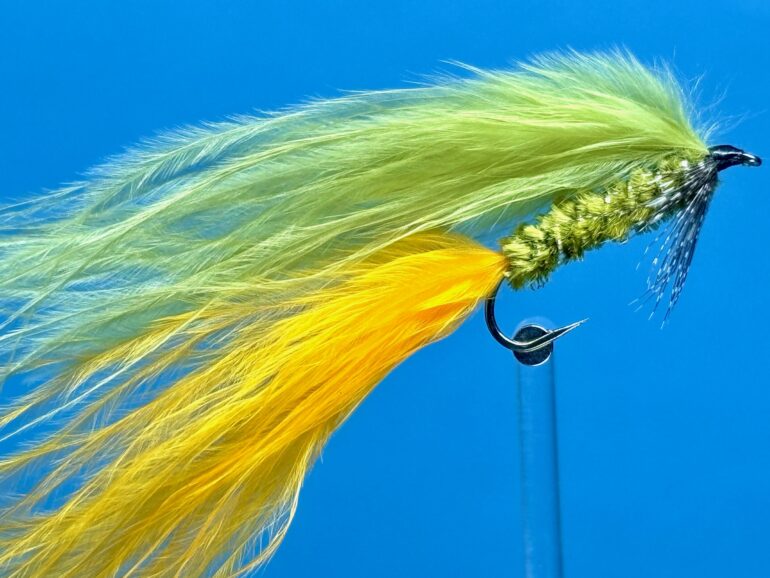
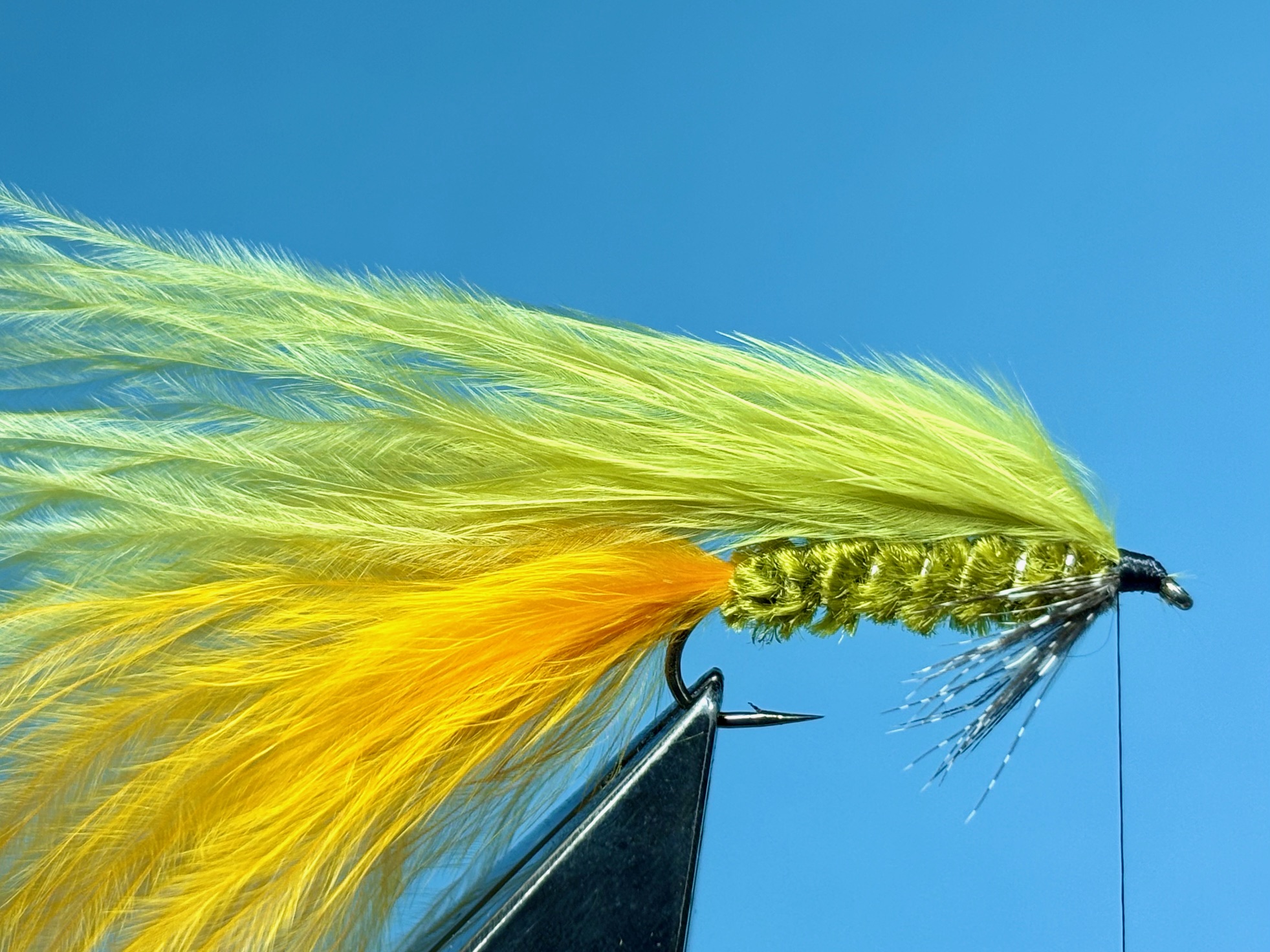
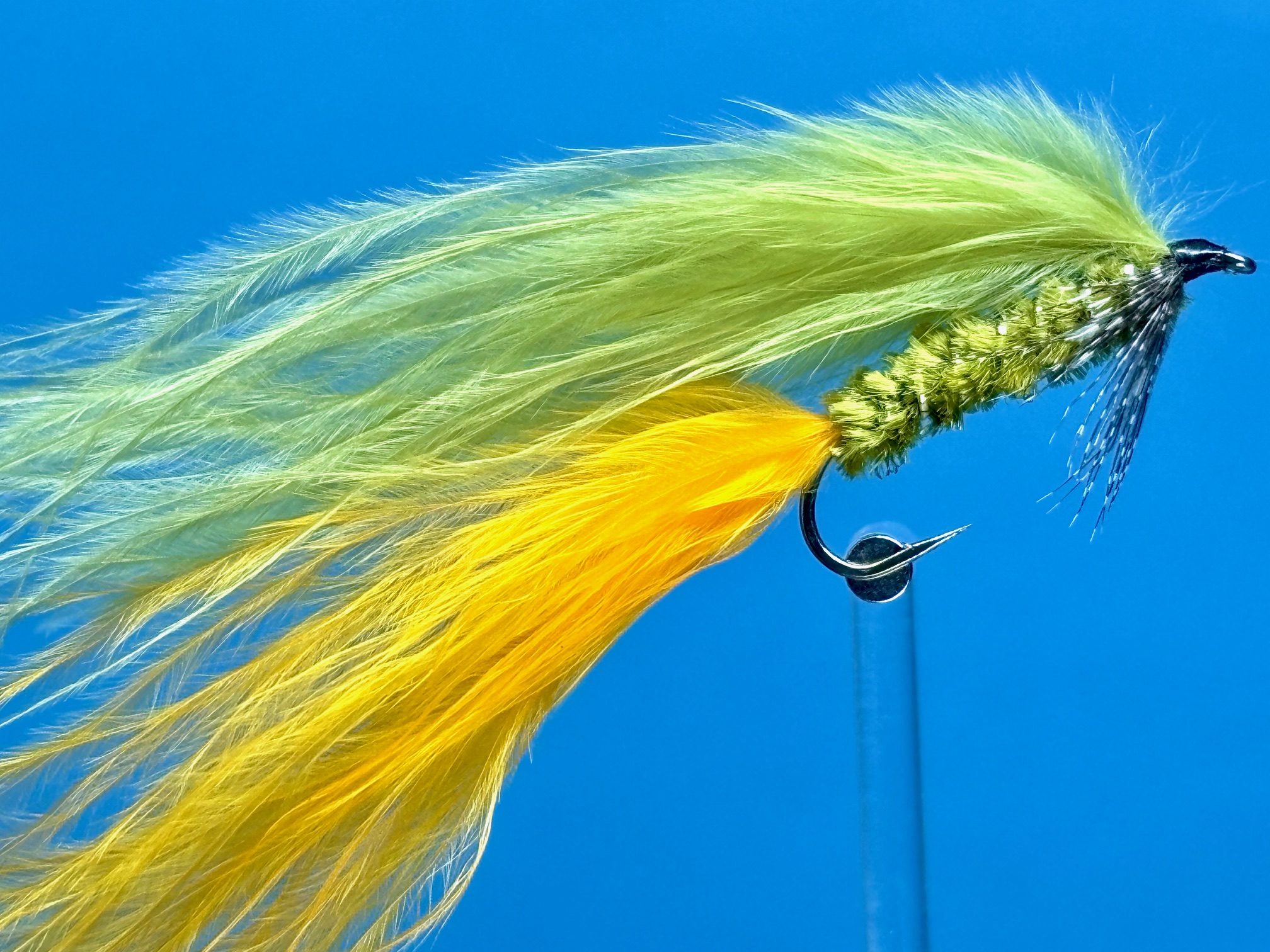
The Dawson’s Olive
Hook: Kamasan B800, long shank, size 10, or similar.
Thread: Fly Smith black GSP, 52D, or any black thread of your choice.
Tail: Amber marabou, at least twice the length of the hook.
Rib: Oval silver tinsel, medium.
Body: Olive Rayon chenille.
Hackle: Natural Guinea fowl breast feather fibres.
Wing: Olive marabou, at least twice the length of the hook.
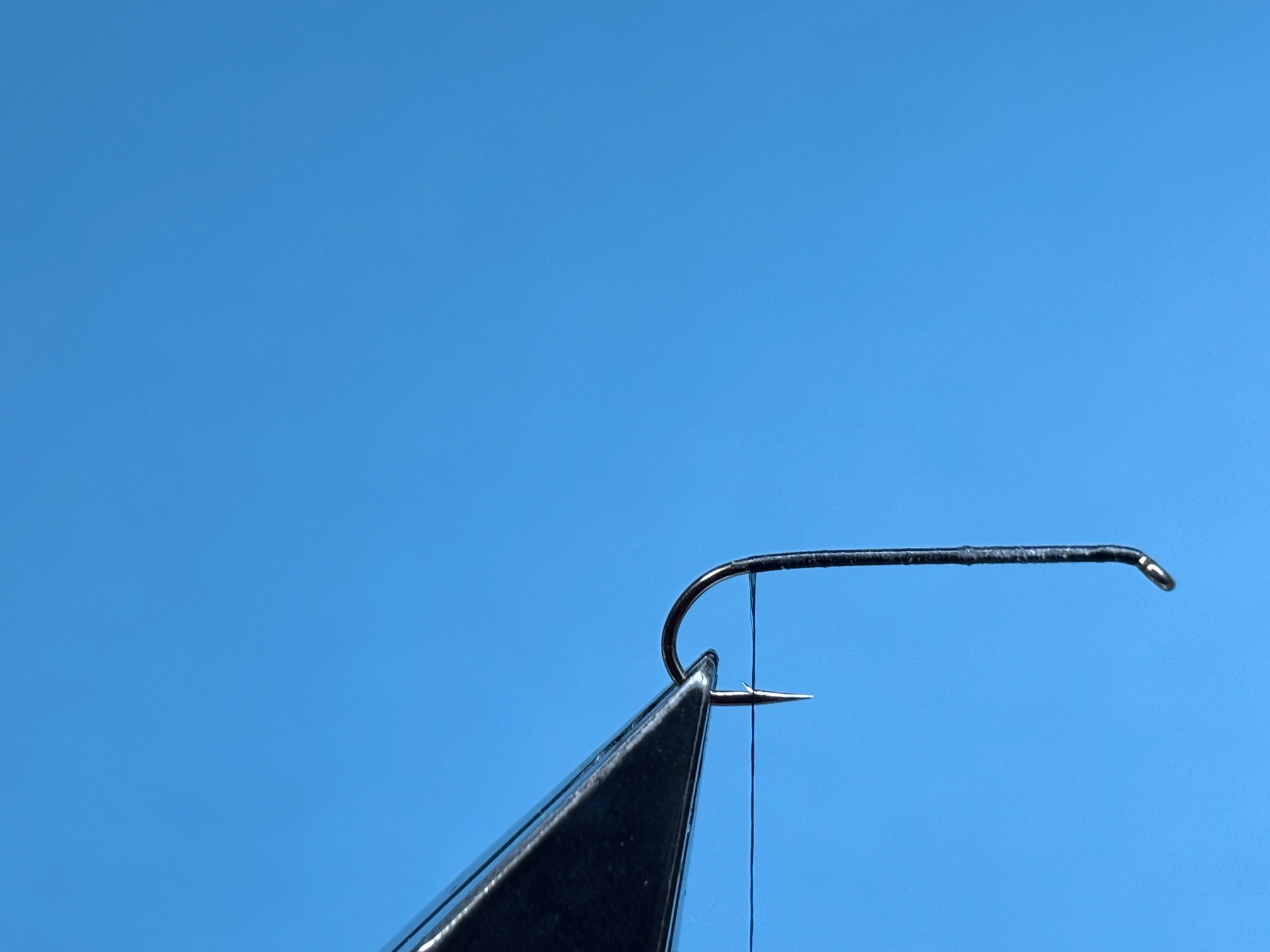
Photo 1. With the hook secured in the vice, catch on the thread behind the eye and wind on a bed of thread to a point opposite the barb and remove the waste thread.
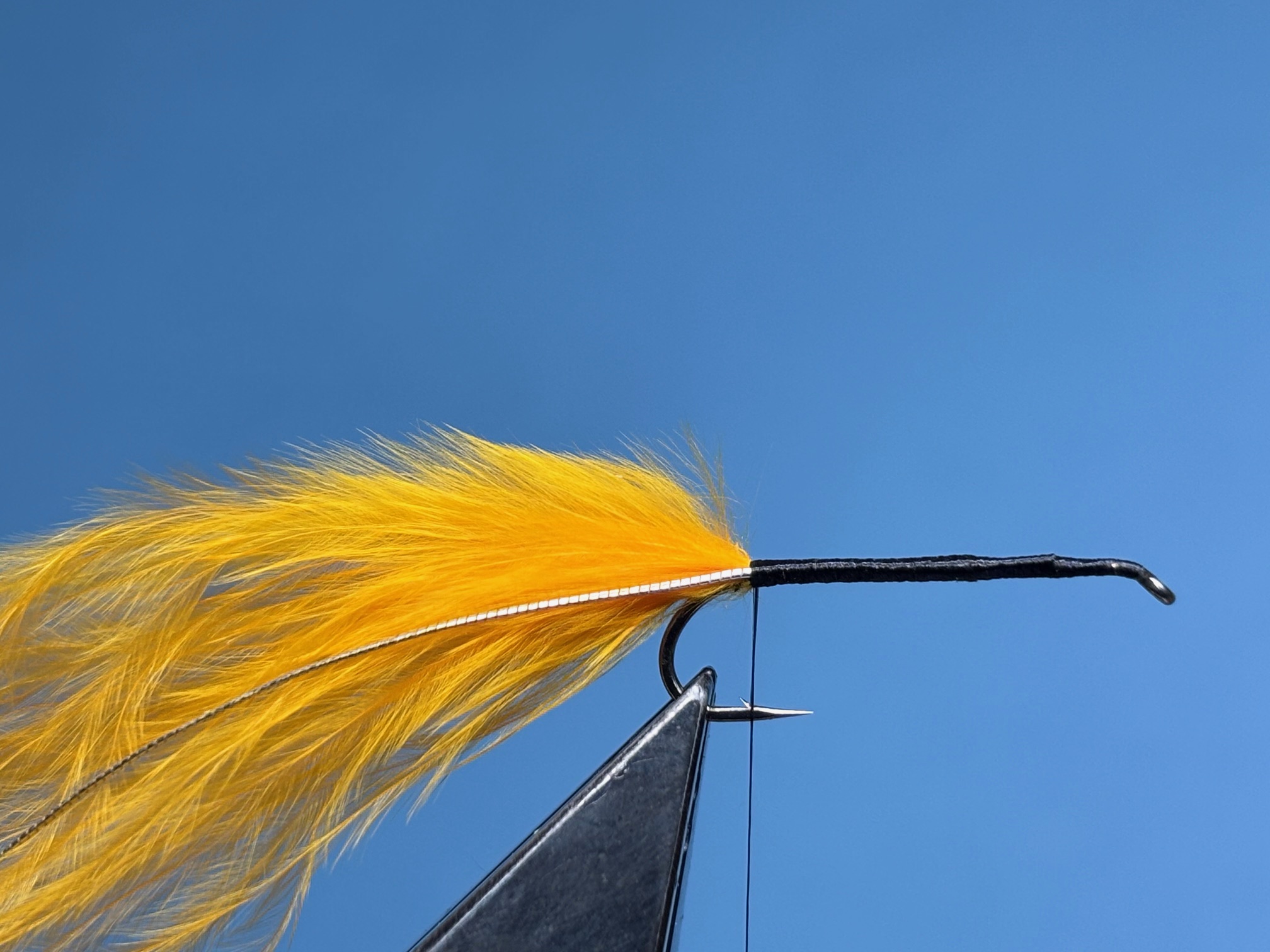
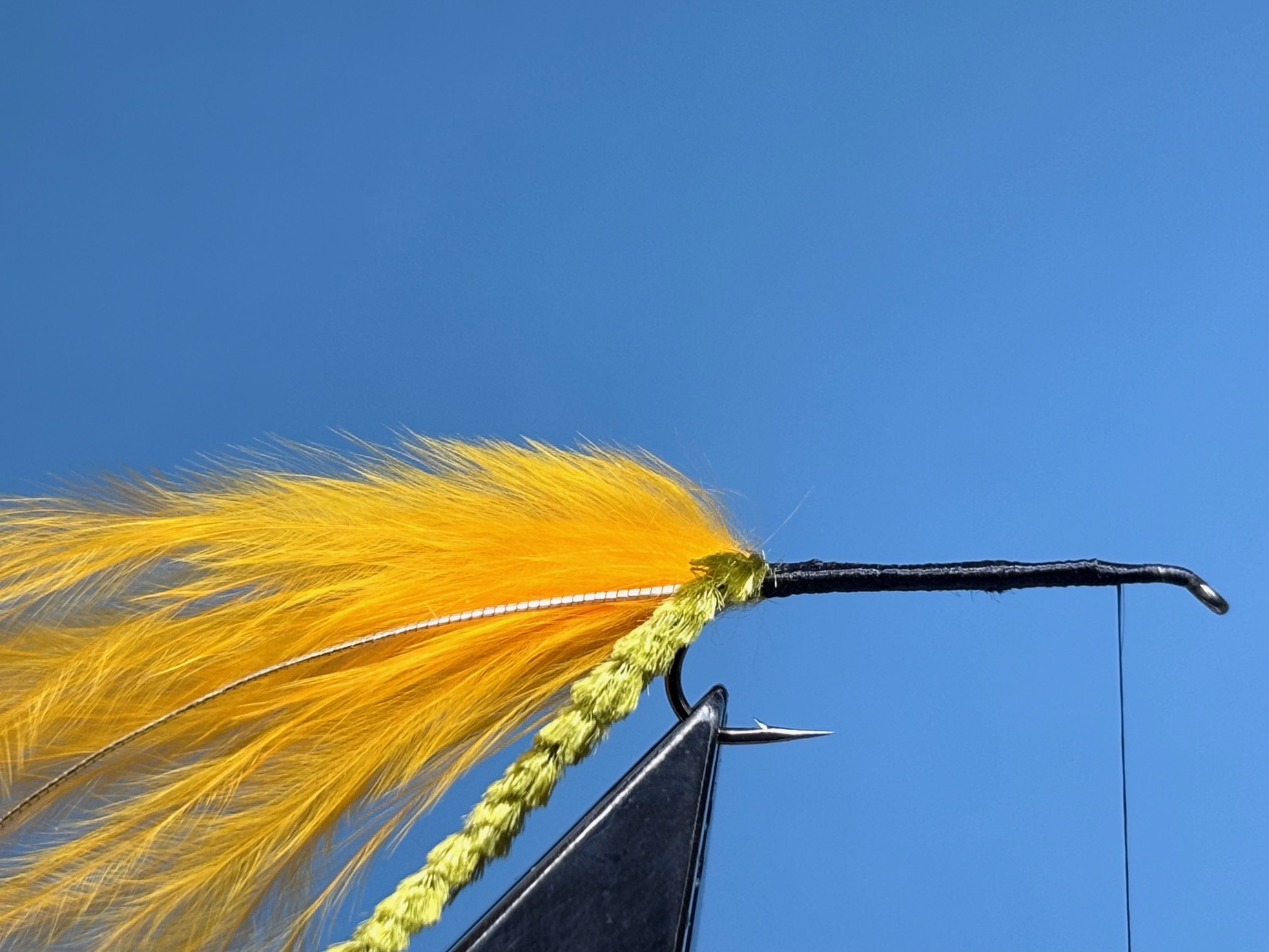
Photo 2. For the tail, take a bunch of long fibred amber marabou, ideally twice the length of the hook and remove the flue from the basal ends with your thumb nail and forefinger to reveal the bare marabou stems. Tie in the bunch of marabou by their stems with a couple of turns of waxed thread. In similar fashion, catch in a length of oval silver tinsel and bind down both the marabou stems and the tag end of the tinsel with thread and return the thread to the tail
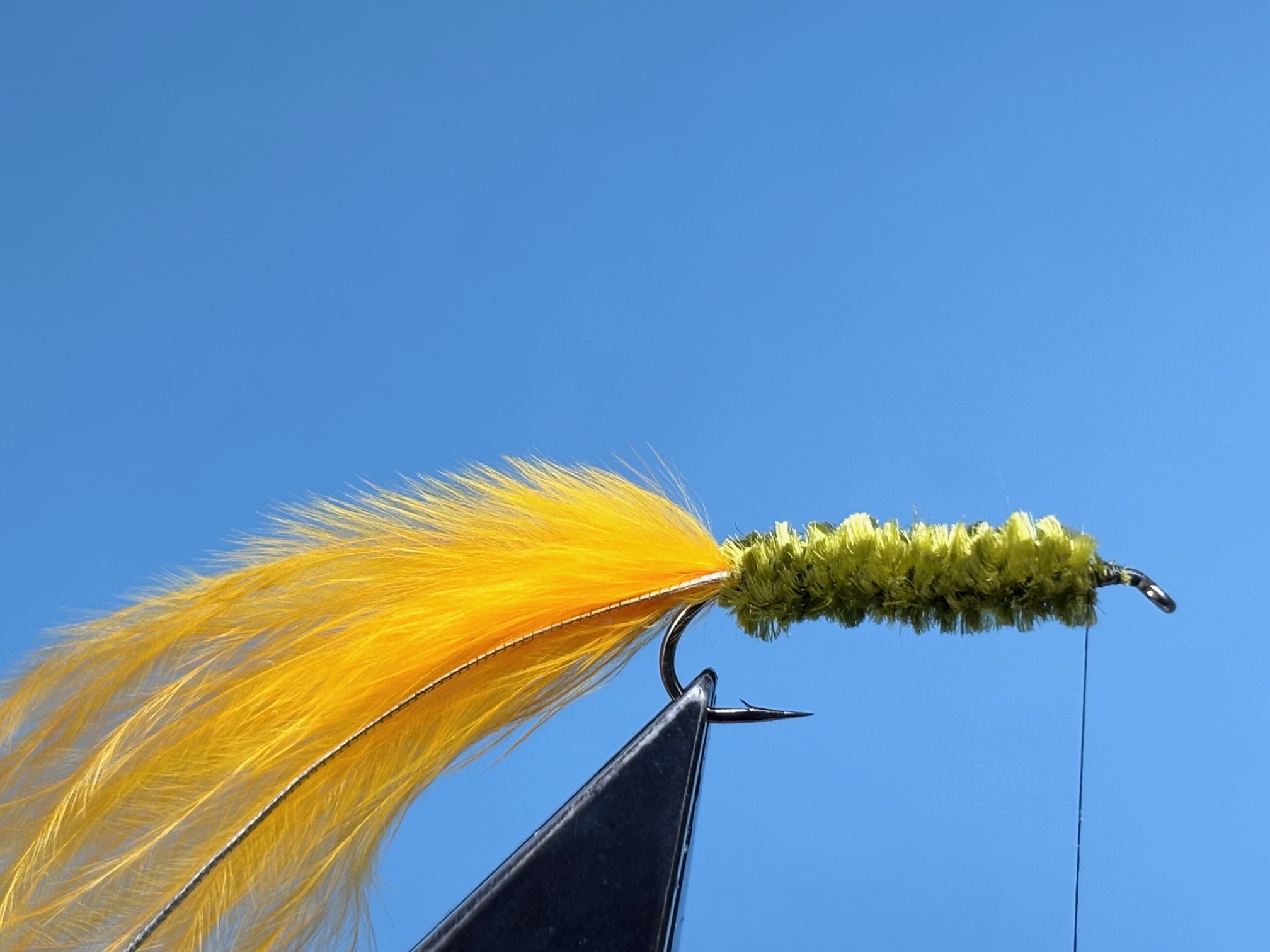
Photo 3. Take a length of olive chenille and strip away the outer flue to expose the central core. Tie in the chenille by the core and continue to bind down the core with thread, stopping about a head length back from the hook eye.
Photo 4. Wind the chenille along the shank in close turns, secure it with thread near the head and remove the excess chenille.
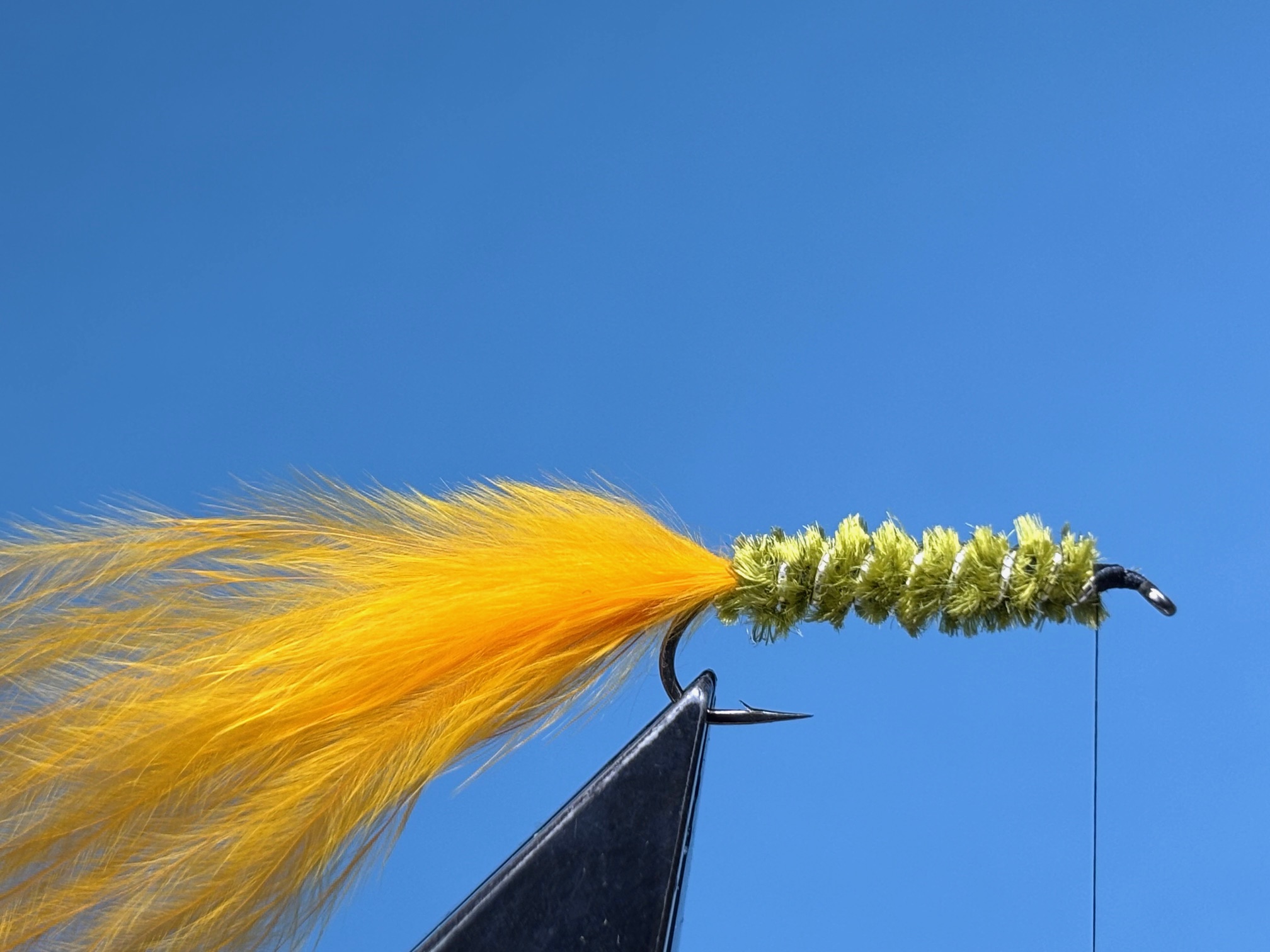
Photo 5. Wind the tinsel up the body in open turns as a rib and tie it down securely with thread. Remove the excess tinsel and tidy the area with thread ready for the hackle.
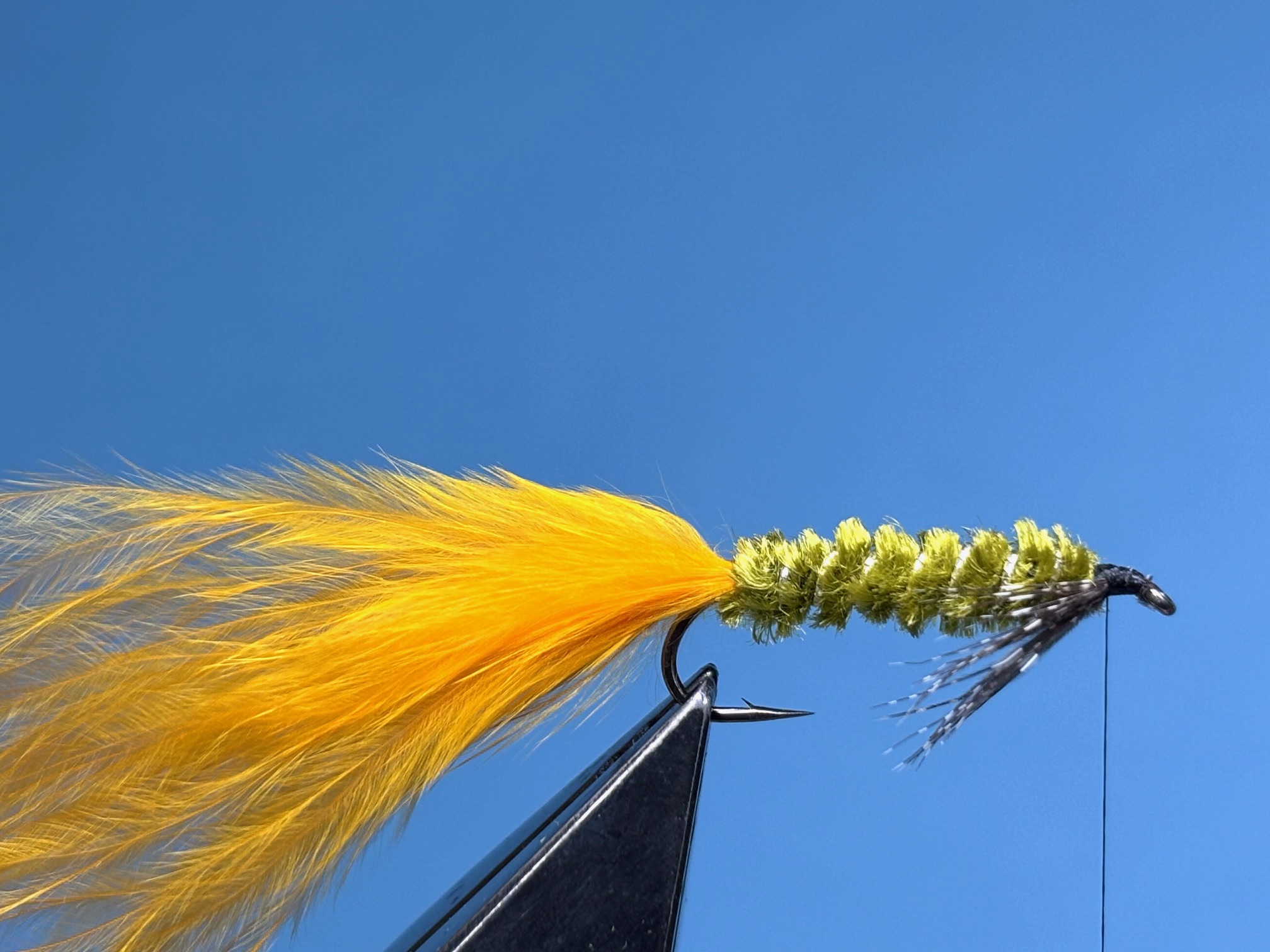
Photo 6. Align the tips of a small bunch of Guinea Fowl hackle fibres and pull them off the feather. Position the bunch of fibres below the shank and secure in place with a couple of turns of thread to form a beard hackle. Carefully trim away the butt ends of the Guinea Fowl fibres and tidy the area with thread.
Photo 7. Take a similar sized bunch of long fibred olive marabou fibres as used for the tail and at least twice the length of the shank, remove the fluff from the basal ends to expose the fibre stems and with well waxed thread, tie in the bunch of marabou on top of the shank as a wing. Trim off any excess marabou at the head.
Photo 8. Form a neat thread head, whip finish, and remove the thread, then apply some varnish to the head to complete the fly.
Tying tips
Initially, the dressing for this pattern used olive marabou for both the tail and the wing, but Brian Dawson soon decided to change the tail colour to amber, and it was this version that captured the record 24lb rainbow trout from Sweethope Reservoir. Even today, it surprises most anglers and fly tiers alike to discover the pattern was designed without any additional weight or fluorescence as an imitative olive leech pattern specifically for fishing at Tunstall Reservoir
- This is an old style pattern that uses a mix of olive and amber marabou to impart the sinuous movement associated with leeches. As such, it is important to ensure the marabou is at least twice as long as the hook. Today this can be difficult to achieve, given the quality of marabou has drastically declined over recent years, so use the longest fibred marabou you can find.
- When tying in bunches of marabou fibres for tails and wings, I always strip away the fluffy basal flue using my thumb nail and forefinger to expose the fiber’s central quills. This reduces bulk in the underbody and allows the formation of a small, neat head.
- Tying in the Guinea fowl beard hackle is best done using a couple of upward pinch and loops to get the fibres in position, then use your thumb nail to gently spread the fibres evenly around the underside of the body, before finally securing the fibres with several tight turns of thread and removing the waste butt ends. Alternatively, if you have a rotating vice, rotate the fly upside down and tie in the hackle fibres in the normal manner.
Fishing hints
- This pattern can be fished throughout the season, but in the past, it has worked best for me towards the end of the season.
- Although this fly can be fished on any density of line, as an unweighted pattern, the depth at which the fly is fished is best achieved by using a sinking line of the appropriate density for the depth required. A Di3 would be my starting option. A relatively fast, continuous, figure of eight retrieve with an occasional pause mimics the sinuous movement of a leech quite well
This is the last of Les’s Fly of the Month for 2026 and once again a big thank you to him from us and all the readers of these Fly of the Month posts. They must take a great deal of time and effort and are very much appreciated by us and many others. Thank you Les, Carmel & Gareth

Recent Comments